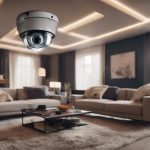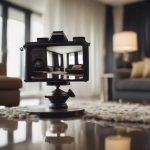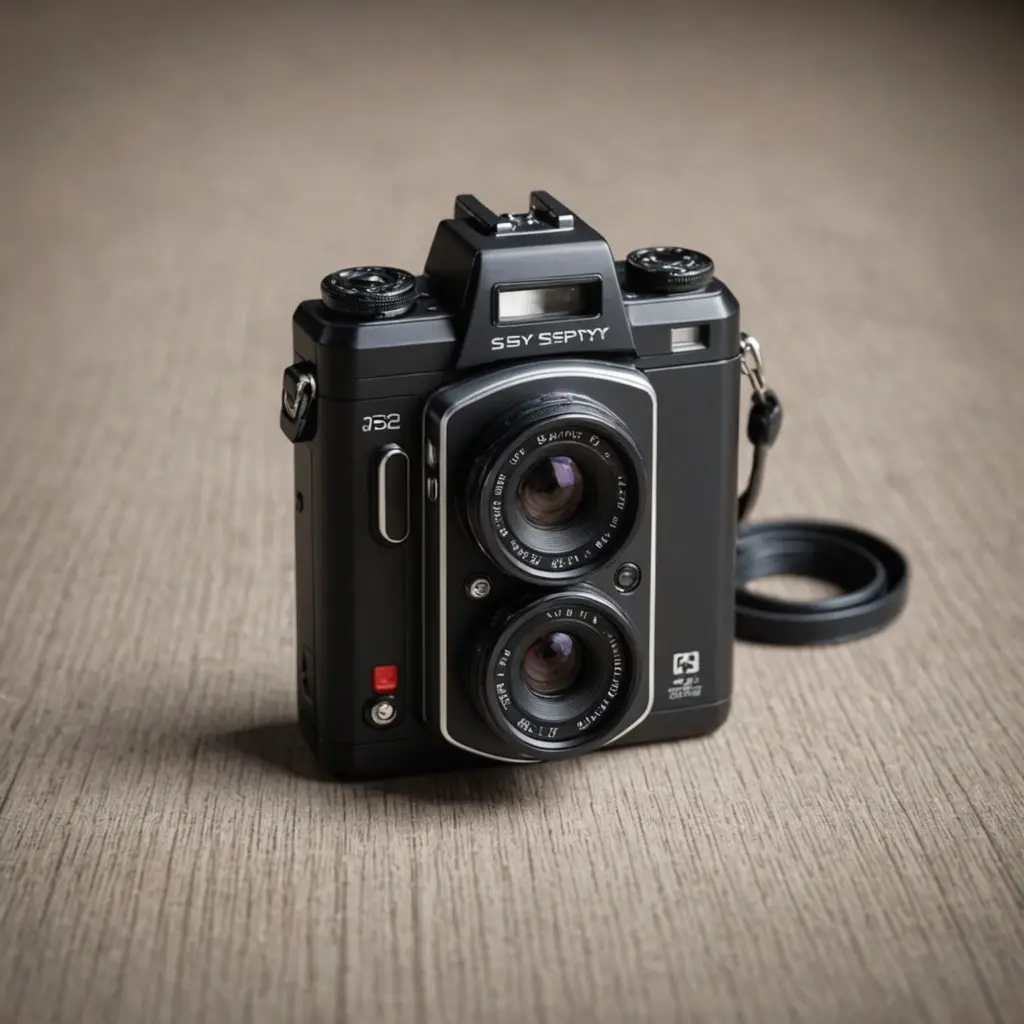

Choosing a small surveillance camera starts with understanding where and how it will be used. The most important considerations are usually image quality, installation flexibility, low-light performance, storage, and access to recorded or live footage. A compact camera may suit discreet indoor monitoring, while a wireless model can make placement easier and a night-vision camera is better for dark rooms.
This guide reviews three common spy camera categories rather than focusing on one particular product. Use the comparison below to identify the features that best match your legitimate security or monitoring needs.
1. Mini Spy Camera
A mini spy camera is designed for situations where a compact form factor matters. Its small size can make it easier to position on a shelf, desk, or other suitable indoor location without taking up much space. The main trade-off is that a smaller body may provide less room for a large battery, storage, or additional controls.
What to look for
- Resolution: Choose at least 1080p when clear detail is important. Higher resolution can make faces, objects, and activity easier to distinguish, although actual results also depend on lighting and lens quality.
- Discreet construction: A compact, unobtrusive design can help the camera fit naturally into its surroundings without becoming a distraction.
- Power options: Check whether the camera needs continuous power or relies on a rechargeable battery. Battery runtime is especially important if the camera will be placed away from an outlet.
- Storage: Confirm how footage is saved and how much recording capacity is available before relying on the camera for extended monitoring.
A mini camera is a practical choice when portability and size are more important than advanced remote features. It is best suited to clearly defined, lawful monitoring tasks where the camera can be positioned safely and responsibly.
2. Wireless Hidden Camera
A wireless hidden camera offers greater installation flexibility because it does not require a video cable running back to a recorder. Depending on the model, wireless connectivity may also support remote viewing, making it possible to check the camera without being physically present.
Useful wireless features
- Remote access: This can allow live viewing or access to saved footage through a connected device. Review how access is protected and whether the setup requires a stable wireless network.
- Motion detection: Recording can begin when movement is detected, which may reduce unnecessary footage and conserve storage compared with continuous recording.
- Adjustable sensitivity: Sensitivity controls can help reduce false alerts caused by pets, changing light, or other routine movement.
- Placement flexibility: Wireless operation can simplify positioning, but the camera still needs adequate power and a reliable connection where it is installed.
Wireless models are a strong option when convenience and remote monitoring are priorities. However, wireless does not necessarily mean completely cable-free: many cameras still require charging or continuous power. Before buying, consider network reliability, privacy settings, account security, and how recordings are stored.
3. Night Vision Spy Camera
A night vision camera is intended for low-light or dark conditions. Models using infrared technology can capture footage when there is little or no visible light, making this category useful for monitoring rooms after dark or areas with inconsistent lighting.
Night vision considerations
- Low-light performance: Night vision can improve visibility in darkness, but image detail may differ from daytime footage.
- Infrared illumination: Infrared light is generally intended to support image capture without ordinary visible lighting. Check how the camera behaves in a completely dark room.
- Field of view: A wider view can cover more of a room, while a narrower view may provide more focused coverage.
- Placement: Avoid positioning the camera behind glass or near reflective surfaces, as these can interfere with night footage.
Night vision is the defining advantage of this type, but it should not be treated as a substitute for good placement. Test the camera in the actual lighting conditions where it will operate, since darkness, distance, and obstructions can all affect the result.
How the three types compare
- Choose a mini spy camera when compact size and simple placement are your main priorities.
- Choose a wireless hidden camera when remote access, flexible installation, and motion-triggered recording are more important.
- Choose a night vision spy camera when reliable monitoring in dim or dark conditions is essential.
Privacy and responsible use
Before installing any hidden or discreet camera, check the laws and rules that apply to your location. Do not record people in places where they reasonably expect privacy, and obtain consent where required. For home or workplace security, use visible notices or clearly established policies when appropriate. Protect recorded footage with strong passwords and limit access to people who genuinely need it.
The best choice depends on the environment rather than the camera’s label. Compare resolution, power, storage, connectivity, motion detection, and low-light performance, then select the type that supports a specific and lawful monitoring purpose.