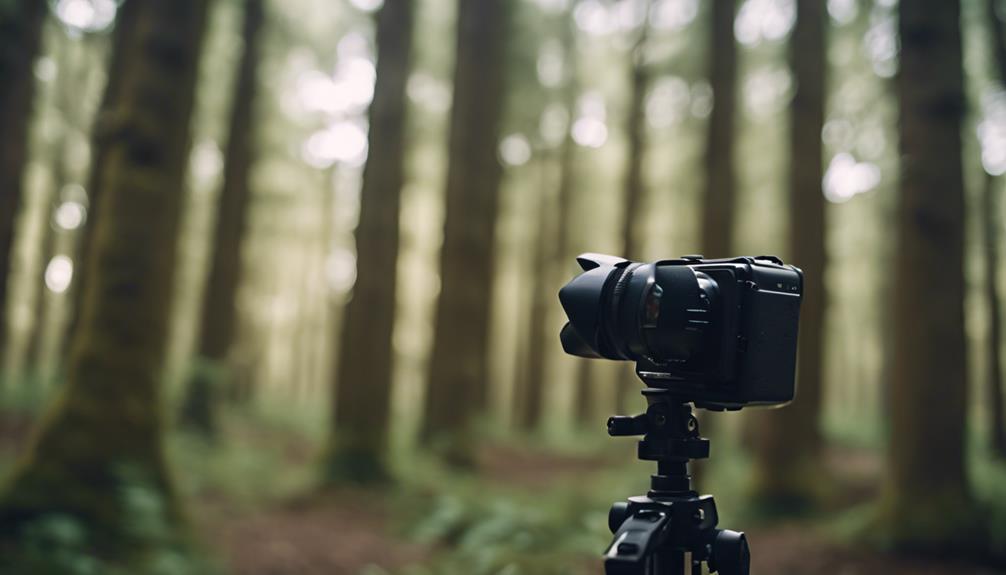

Spy Link game cameras combine the discreet design of a trail camera with features that support remote monitoring, wildlife observation, and outdoor security. Instead of checking the camera every day, users can take advantage of wireless connectivity, motion-triggered recording, and night vision to monitor an area with less disturbance.
What Is a Spy Link Game Camera?
A Spy Link game camera is an outdoor camera designed to capture photos or video when movement is detected. Its compact, low-profile construction makes it useful for observing animals in their natural surroundings or monitoring locations where a noticeable security setup would be undesirable.
Depending on the model, the camera may store media locally, transmit images wirelessly, or provide alerts when motion is detected. Before installation, review the specifications for the particular camera because connectivity options, storage methods, image quality, and power requirements can vary.
Wireless Monitoring and Remote Access
Wireless connectivity is one of the most useful features in this type of camera. It can reduce the need for repeated visits to a remote location and make it easier to review activity from a distance. For wildlife observation, this helps limit human interference around trails, feeding areas, or other locations where animals are being studied.
Remote access can also support security monitoring. Motion-triggered notifications or transmitted images may help users identify activity without waiting until the camera is physically retrieved. However, reliable performance depends on the camera’s connection, its installation environment, and the availability of sufficient power.
Key Features to Evaluate
Motion detection
Motion sensors determine when the camera begins recording. A sensitive detector can capture passing animals or people, but excessive sensitivity may also produce unwanted recordings from moving branches, changing light, or other environmental activity. Look for settings that allow detection behavior to be adjusted for the location.
Night vision
Infrared night vision allows the camera to record in low-light conditions without relying on visible illumination. When comparing cameras, consider the clarity of nighttime images, the area covered, and whether the infrared system is suited to the distance at which subjects are likely to appear.
Battery life
Battery performance is especially important when a camera is mounted in a hard-to-reach place. Features such as frequent wireless transmissions, high-resolution video, and repeated motion events can increase power consumption. Choose quality batteries or compatible rechargeable options, and review the camera regularly rather than relying solely on the advertised operating time.
Construction and media quality
Outdoor cameras need sturdy housing and a lens that can withstand changing weather conditions. High-quality image and video capture makes recorded activity easier to identify, while a well-sealed body helps protect the internal components. Storage capacity and file-transfer options should also match how often the camera is expected to record.
How to Choose Between Models
There is no single best camera for every use. Compare models according to the conditions in which they will operate:
- For long-term deployments: prioritize battery efficiency, durable construction, and dependable storage.
- For remote locations: examine wireless functions, alert options, and the practical range of connectivity.
- For nighttime monitoring: compare infrared performance and the expected distance to the subject.
- For wildlife observation: consider discreet placement, motion-trigger behavior, and the likelihood of false triggers.
- For security use: review alert speed, image detail, and how easily captured media can be accessed.
Tips for Better Camera Performance
- Position the camera carefully. Aim it toward a trail, entrance, or other area of likely activity rather than a broad space with constant movement.
- Use a slight downward angle. This can help reduce glare and keep nearby subjects within the useful portion of the frame.
- Avoid direct sunlight. Strong light can wash out images and create reflections on the lens.
- Clean the lens regularly. Dust, moisture, and debris can reduce image sharpness and interfere with nighttime footage.
- Balance image quality and power use. Higher resolution can produce more detail, but lower settings may extend battery life when maximum detail is not essential.
- Test before leaving the camera in place. Check the detection area, nighttime results, wireless connection, and alert behavior from the intended mounting position.
Why Use a Spy Link Game Camera?
These cameras offer a practical combination of discreet operation, motion-triggered capture, remote connectivity, and low-light recording. They can help users observe wildlife with less disruption, monitor outdoor areas more efficiently, and collect images or video over extended periods. Their value depends on choosing a model that suits the location and maintaining it properly.
For the best results, compare the features that matter most to your application, install the camera with a clear view, and check its batteries, connection, and lens as part of a regular maintenance routine.