
The best spy trail camera depends on where it will be used and what you need it to capture. A camera intended for wildlife monitoring may prioritise discreet placement and motion detection, while a security-focused setup may benefit more from remote access, strong night vision, and weather-resistant construction.
This guide presents three feature-focused choices for 2024. Rather than treating one camera as ideal for every situation, it separates the main options by purpose so you can select a design that matches your surveillance or observation needs.
1. Best for Discreet, Low-Light Monitoring
A compact trail camera with a discreet exterior and capable night vision is a practical choice when the camera needs to blend into its surroundings. Its unobtrusive design can help reduce attention from people and animals, while infrared or other low-light capabilities allow it to record after sunset.
This type of camera is particularly useful for wildlife observation, checking activity around a property, or documenting movement in locations where regular visits could disturb the area. Look for a model that combines clear image capture with a motion sensor, since unnecessary recordings can make it harder to review important footage and may reduce battery life.
- Discreet design for less noticeable placement
- Night vision for recording in dark or poorly lit areas
- Motion-triggered image or video capture
- Battery life suitable for extended periods in the field
2. Best for Remote Access and Off-Site Monitoring
When checking the camera in person is inconvenient, a model with remote access can provide a more flexible solution. Remote control features may allow the operator to manage the device from a distance, while remote monitoring can provide information about activity without requiring a visit to the camera location.
This option is well suited to situations where the camera is installed in a hard-to-reach area or where regular physical checks would compromise the observation site. Before choosing this type, confirm exactly what remote functions are available. “Remote access” can refer to different capabilities, including viewing activity, changing settings, or controlling the camera, so the feature should match your requirements.
- Remote access for managing or checking the camera from a distance
- Motion detection to identify activity efficiently
- Clear still images and video for reviewing events
- Reliable operation when the camera cannot be checked frequently
3. Best for Rugged Outdoor Deployment
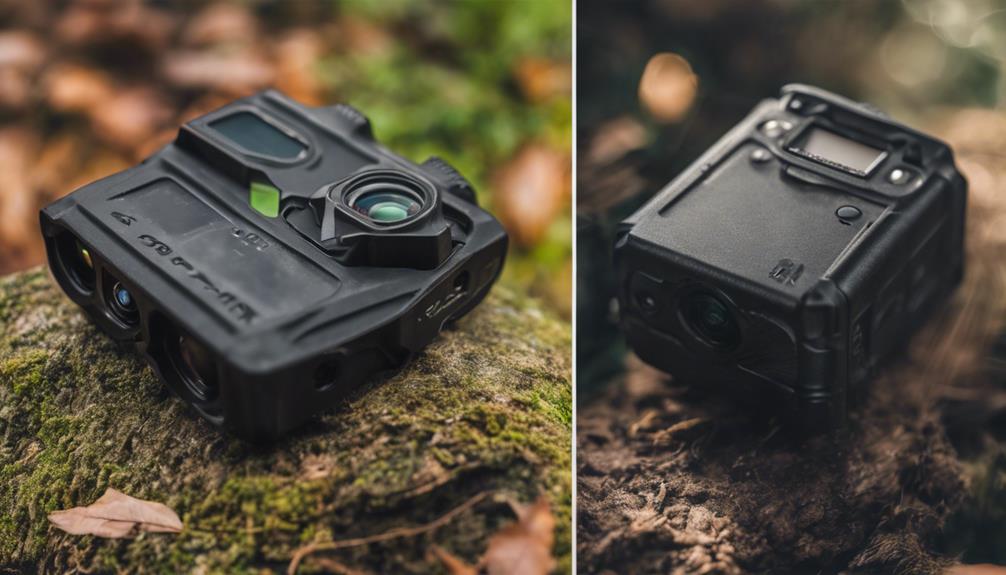
For demanding outdoor use, choose a trail camera built around durability, weather resistance, and dependable detection. A rugged design is important when the device will remain outside and face changing conditions. Weatherproof construction can help protect the camera from exposure, while a responsive motion sensor can record movement across the monitored area.
This category works well for property observation and wildlife monitoring alike. High-resolution images and video are valuable when small details matter, but image quality should be considered alongside battery performance and storage requirements. A camera that records frequently may require more attention than one configured for selective motion-triggered capture.
- Durable construction for outdoor placement
- Weatherproof design for changing conditions
- Advanced motion sensing for accurate activity detection
- High-resolution recording for closer review
How to Choose Between the Three
Start by identifying the main constraint in your setup. If concealment and nighttime recording matter most, prioritise the discreet low-light option. If the camera will be difficult to reach, remote access may provide the greatest practical benefit. For long-term outdoor placement, durability and weather resistance should come before extra features.
Battery life is another important consideration across all three categories. Extended operation reduces the need for frequent maintenance and can help avoid gaps in recording. Also consider the camera’s placement, detection range, recording resolution, and how footage will be retrieved or reviewed.
Responsible Use
Use any trail or surveillance camera in accordance with local privacy, property, and wildlife regulations. Avoid recording areas where people reasonably expect privacy, and obtain permission before placing a camera on property you do not control. For wildlife use, position the device in a way that minimises disturbance.
Final Recommendation
There is no single best spy trail camera for every assignment. The strongest choice is the one that balances discreet placement, night vision, motion detection, remote control or access, battery life, image quality, and outdoor durability for your specific environment. By matching the camera’s feature set to its intended use, you can create a more dependable monitoring setup without paying for functions you do not need.