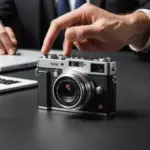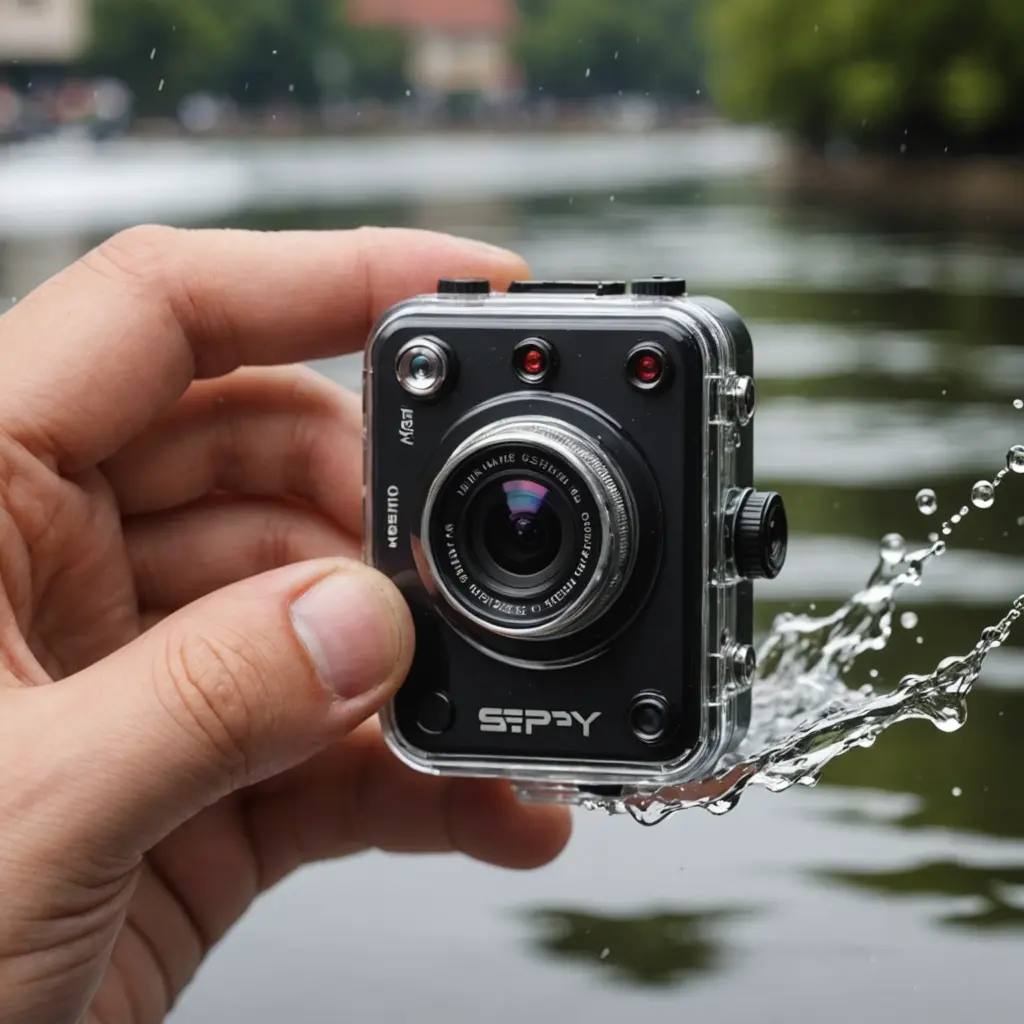

A waterproof mini camera can provide dependable video in places where rain, splashes, humidity, or limited space make a conventional camera impractical. Its small size supports flexible installation, while weather-resistant construction helps protect the camera during outdoor, marine, and field use. The best choice depends on more than body size: waterproof ratings, image quality, power, storage, connectivity, and responsible placement all matter. Explore how a Waterproof Mini Camera's rugged shell supports advanced surveillance capabilities through waterproof covert design.
Why use a waterproof mini camera?
Compact cameras are useful when a full-size security system would be too bulky or difficult to install. They can be mounted near an exterior doorway, inside a vehicle, on a boat, or in another location where equipment may encounter moisture. A weather-resistant design can reduce the need for a separate protective enclosure, although the camera should still be installed according to the manufacturer’s limits.
Small cameras are also convenient for temporary recording. They can document outdoor activities, monitor equipment, capture events around a property, or record conditions in wet environments without adding much weight or taking up much space. For any use involving people, the camera should be visible or used with the required consent and disclosures.
Understanding waterproof ratings
Look for a clearly stated IP rating rather than relying on descriptions such as “waterproof” or “rainproof.” IP67 and IP68 are common examples, but the exact protection depends on the manufacturer’s testing and instructions.
- IP67: Typically protects against temporary immersion in up to one metre of water for up to 30 minutes.
- IP68: Generally indicates protection during deeper or longer immersion, with the permitted depth and duration specified by the manufacturer.
Effective sealing usually involves gaskets around the lens and housing, protected charging and memory-card ports, and covers that close securely. Before using a camera near saltwater, chemicals, or a swimming pool, check whether those conditions are covered by its instructions. Water resistance can also be reduced if seals become worn, dirty, or damaged.
Features that affect recording quality
Waterproofing is only one part of the decision. Consider how and when the footage will be recorded.
- Resolution: Full HD 1080p is a practical baseline, while 2K or 4K can provide additional detail when supported by the camera and storage system.
- Low-light performance: A capable sensor and infrared night vision can improve recording after dark, though results vary in complete darkness and around reflective surfaces.
- Motion detection: Motion-triggered recording can reduce unnecessary footage and help conserve battery capacity.
- Storage: Local microSD storage provides direct access to recordings. Cloud backup may offer additional protection, but it depends on an internet connection and service availability.
- Connectivity: Wi-Fi may support remote viewing, alerts, or configuration through a smartphone application. Wireless features generally use more power than recording locally.
- Security: Use strong account credentials and available encryption features to help prevent unauthorized access to recorded video.
Common applications
A waterproof mini camera may be suitable for monitoring an outdoor entrance, documenting activity around a vehicle, or observing equipment exposed to changing weather. On boats and other marine equipment, a properly mounted camera can record navigation-related events or activity around the vessel. Wildlife observers and field researchers may also use compact weather-resistant cameras in damp habitats, provided the installation does not disturb animals or violate local rules. For a charming alternative to waterproof mini cameras, explore cute film designs with nostalgic appeal.
For security use, place the camera where it covers only the necessary area. Avoid locations such as bathrooms, changing areas, or private spaces where people reasonably expect privacy. A concealed camera should not be treated as a way to bypass consent or surveillance requirements.
Installation, power, and maintenance
Choose a mounting position that provides a clear view while limiting direct exposure to mud, spray, and standing water. An overhang can help protect the housing, but it does not replace the camera’s stated rating. Keep ports closed, inspect seals regularly, and dry the exterior before opening any compartment. After exposure to saltwater or chemicals, follow the cleaning instructions provided for the device.
Battery life is especially important in a miniature camera because compact designs have limited space for batteries. High resolution, night vision, motion alerts, and live streaming can all increase power consumption. For longer deployments, compare the camera’s battery capacity with options such as wired power, external batteries, or solar charging. A model that supports continuous wired operation may be more suitable for fixed recording, while removable batteries can be useful for temporary or mobile setups.
Legal and responsible use
Surveillance and audio-recording laws differ by location. Before installing a waterproof mini camera, determine whether consent, signage, registration, or other disclosures are required. Audio can create additional privacy concerns, so disable it when it is not necessary. Limit recording to the area and time period needed, protect stored footage, and establish a sensible retention policy.
The right waterproof mini camera balances a verified protection rating with suitable image quality, power options, storage, and secure access. By matching the device to its environment and using it transparently and lawfully, you can obtain useful outdoor footage without compromising reliability or other people’s privacy.