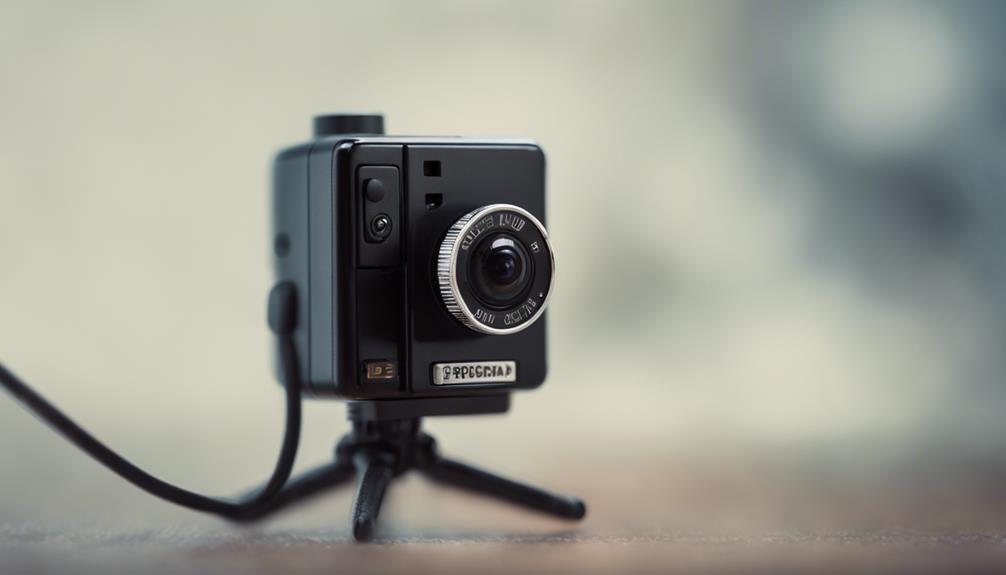

Wired spy cameras are designed for situations where dependable power, a stable connection, and extended recording matter more than quick, cable-free installation. Instead of relying entirely on batteries or wireless transmission, these cameras use a physical connection for power and, in some systems, for sending video to a recorder or network.
That design can provide practical advantages, but it also requires more planning. Cable routing, storage, network security, and the legal use of surveillance equipment all deserve attention before installation.
Reliable operation through a wired connection
A direct power connection allows a wired camera to operate for long periods without battery changes or recharging. This is especially useful when continuous monitoring is required or when the camera is installed in a location that is difficult to access.
A physical connection can also reduce the likelihood of interruptions associated with wireless signal congestion, distance, or interference. The exact level of reliability depends on the camera, cabling, power source, and recording equipment, but a correctly installed wired system generally provides a consistent foundation for surveillance.
Stable video transmission
Wireless cameras can be convenient, but their video feeds may be affected by obstacles, competing signals, or an unreliable network. A wired connection can help maintain a more predictable path between the camera and its recorder or monitoring device.
Some wired systems also support remote viewing over a network. Remote access can be useful for checking a live feed or reviewing recorded footage, but it should be configured carefully. Strong account credentials, secure network settings, software updates where available, and limited user permissions can help reduce the risk of unauthorized access.
Power continuity is essential
Continuous surveillance is only possible when the camera and its associated equipment have dependable power. A power interruption can create gaps in the recording, interrupt a live feed, or leave the camera unavailable when it is needed.
Before installation, consider the entire power path rather than the camera alone. Check the outlet or power adapter, inspect cable placement, and make sure connectors are protected from accidental disconnection. If uninterrupted operation is especially important, the system may require an appropriate backup power arrangement; the supplied equipment and its instructions should determine what is compatible.
Image quality and low-light performance
Video quality depends on more than the camera’s stated resolution. Lens quality, lighting, camera placement, exposure settings, and compression all affect how clearly people and objects appear in recorded footage.
Features that may improve useful detail include:
- Higher-resolution image capture for clearer identifying detail.
- Suitable frame-rate and exposure settings for the scene.
- Low-light or infrared capability for darker environments.
- A clear, unobstructed view of the area being monitored.
- Correct placement that avoids glare, backlighting, and distracting reflections.
Night vision can improve visibility in low-light conditions, but it does not guarantee the same level of detail available in daylight. Test the camera at different times and under the lighting conditions in which it will actually be used.
Longer recording times
Recording duration is determined by storage capacity, video resolution, frame rate, compression, and whether the camera records continuously or only when triggered. Larger storage can accommodate more footage, while efficient compression can reduce file sizes without necessarily making the video unusable.
When storage is limited, lowering the resolution or frame rate may extend recording time, although this can reduce detail. A practical setup should balance the amount of footage required with the image quality needed for review. Check how the camera handles full storage, including whether it stops recording or overwrites older files.
Discreet installation and reduced interference
Wired cameras require more installation work than many wireless alternatives, but cable placement can make the finished system stable and less vulnerable to signal-related problems. Cables should be routed neatly and protected from damage, while the camera should be positioned so that its view is not blocked or easily disturbed.
Discreet placement should not mean unsafe or deceptive installation. Use surveillance equipment only where it is lawful and appropriate, respect privacy expectations, and provide notice or obtain consent when required. Avoid private areas such as bathrooms and bedrooms, and do not use a camera to monitor people unlawfully.
Choosing the right wired camera system
A wired spy camera may be a suitable option when dependable power, stable transmission, and extended recording are priorities. Evaluate the complete system rather than focusing on one feature: power requirements, cable length, image quality, night performance, storage, remote-access security, and installation constraints all affect the result.
With careful setup and responsible use, a wired camera can provide consistent monitoring while reducing the interruptions and connection problems that may affect some wireless arrangements.