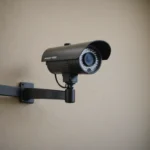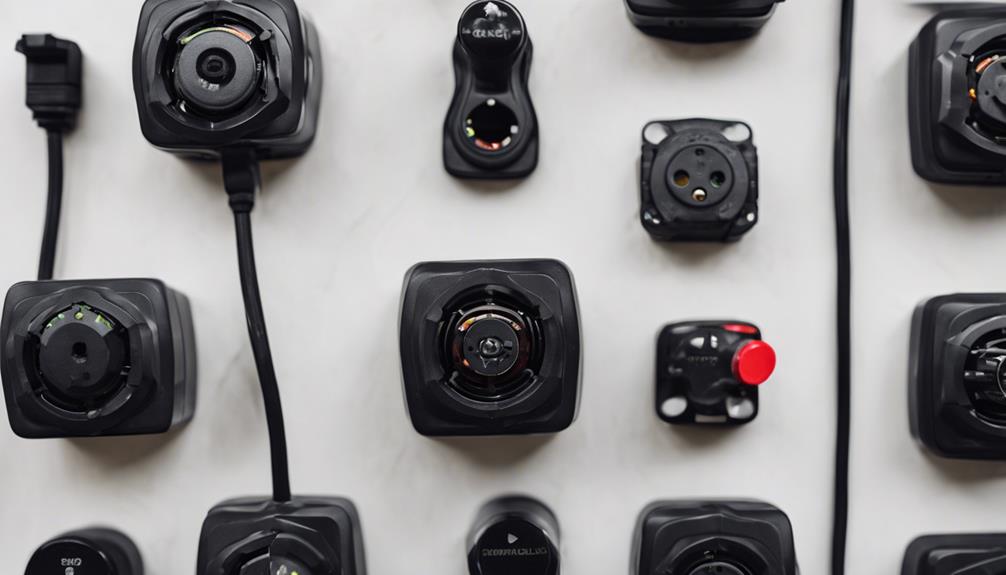

Wireless CCTV makes it possible to monitor a property without running video cables through walls, ceilings, or outdoor spaces. Depending on the design, a camera may send footage over Wi-Fi, a cellular network, or a dedicated radio connection to a recorder, mobile app, or cloud service. Some models are fully cable-free and battery powered, while others still require mains power but transmit video wirelessly.
This flexibility makes wireless CCTV useful for homes, small businesses, outbuildings, rental properties, entrances, and remote locations. The most effective system is not necessarily the smallest or most discreet one; it is the system that provides dependable coverage, secure access, suitable power, and lawful monitoring for the environment.
How wireless CCTV works
A wireless camera captures video through an onboard image sensor, processes and compresses the footage, then sends it to a receiving device or online service. Many systems record continuously, while others save footage only when motion or another connected sensor detects activity. Event-based recording can reduce storage use, network traffic, and battery consumption.
Wireless transmission does not always mean installation without cables. Battery-powered cameras avoid a data cable but need regular charging or battery replacement. Mains-powered cameras generally provide more consistent operation, particularly when recording frequently or using features such as pan, tilt, infrared night vision, or active deterrence.
Features that matter most
Image quality and low-light performance
Choose resolution and lens coverage according to the area being monitored. A wide-angle view may cover more space, while a narrower view can provide greater detail at a specific entrance or gate. Infrared or other low-light capability is important for night monitoring, and wide dynamic range can help preserve detail where bright lighting and deep shadows appear in the same scene.
Motion detection and connected sensors
Motion detection should be adjustable so the camera can respond to relevant activity without recording every passing animal, moving branch, or change in light. Wireless CCTV can also work with external devices such as:
- Passive infrared sensors for detecting movement and body heat
- Magnetic contacts for doors, windows, and gates
- Vibration or shock sensors for fences, sheds, and other vulnerable structures
- Water-resistant outdoor sensors for areas exposed to weather
For challenging outdoor locations, adjustable sensitivity and pet-immune settings may help reduce false alerts. Some systems combine more than one detection method, such as infrared and microwave sensing, to improve event verification.
Connectivity and data protection
Check the wireless signal where each camera will be installed rather than assuming that coverage indoors will extend reliably to a garden, parking area, or outbuilding. A mesh network, wireless bridge, or cellular camera may be appropriate when the main router is too far away or no suitable broadband connection is available.
Security features are equally important. Look for encrypted connections, protected cloud storage where applicable, regular firmware updates, and account controls. Use a strong, unique password, enable two-factor authentication if offered, and review which users and devices can access the system.
Choosing cameras for different environments
Indoor cameras can support monitoring of entrances, offices, storage areas, or equipment. Outdoor cameras should be designed to resist rain and dust; the supplied article recommends looking for an IP65 rating or higher. Placement should also account for glare, direct sunlight, wind-blown foliage, and areas where changing temperatures may affect detection.
Battery-powered cameras are useful where wiring is difficult, including remote property, temporary observation points, and some agricultural or wildlife settings. Their operating time depends on recording frequency, signal strength, weather, and the use of infrared or other power-intensive features. Schedule battery checks so that a low charge does not create an unexpected gap in coverage.
Installation and maintenance
Position each camera so that it clearly covers the intended area without pointing directly at bright lights. Before permanently mounting a unit, test the live view at different times of day and confirm that motion events are detected where expected. Check that recordings can be retrieved and that alerts reach the intended account or device.
- Inspect camera mounts, cables, housings, and weather seals regularly.
- Keep lenses clean and clear of condensation or obstructions.
- Install firmware and security updates promptly.
- Test batteries, external sensors, recording schedules, and notifications.
- Maintain enough local or cloud storage for the retention period you actually need.
Privacy and lawful use
Wireless CCTV should be installed with privacy and consent in mind. Do not monitor places where people reasonably expect privacy, such as bathrooms or private bedrooms. In rental, workplace, care, or guest settings, notification or consent may be required, and audio recording can be subject to additional rules. Laws vary by location, so check the requirements that apply before using cameras or connected microphones.
Discreet equipment does not remove these responsibilities. Limit the camera’s field of view to the area you need to protect, restrict access to recordings, and avoid collecting more footage or audio than necessary. With suitable equipment, careful placement, routine maintenance, and responsible data handling, wireless CCTV can provide flexible monitoring without compromising security or personal privacy.