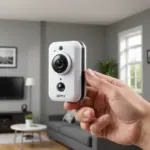

The term Cellular Spy refers to a class of covert cameras that use cellular networks to transmit video and alerts remotely. These devices, often built as a disguised 4g camera, combine concealment with mobile connectivity to provide live monitoring in locations where Wi Fi is unreliable or unavailable. This article explains how these specific spy camera types work, practical ways to use them responsibly, what to look for when buying one, and important legal and maintenance considerations.
What a Cellular Spy device is and why it matters
A Cellular Spy device is a camera designed for discreet monitoring that sends footage over a cellular network rather than relying on local internet. The term covers a range of products, from purpose built hidden cameras to everyday objects that conceal a camera module. Because they operate on 4G or similar mobile standards, disguised 4g camera variants can be placed in remote or temporary locations without the need for broadband access. This capability makes them attractive for tasks like remote property surveillance, vehicle monitoring, and temporary site security.
How disguised 4g camera technology works
At a basic level, a disguised 4g camera contains a compact camera sensor, a cellular modem with a SIM card slot, a power source, and firmware that supports live streaming or recorded uploads. When motion is detected or at scheduled intervals, the device uses the cellular connection to send video clips or to provide a live stream to an app or cloud server. Advanced models support push notifications, two way audio, and encrypted data transfers. Some units include GPS for location tracking and external antennas to improve reception in weak signal areas. Because they rely on cellular data, choosing the right data plan and ensuring network compatibility are essential parts of deployment.
Practical use cases for Cellular Spy cameras
Cellular Spy cameras are well suited to situations where wired internet is not practical. For example, they can monitor a vacation home in a remote area, giving owners peace of mind with real time alerts when activity is detected. Construction managers often use disguised 4g camera units to monitor tools and materials overnight, reducing theft and vandalism. Vehicle owners can deploy discreet units inside cars, RVs, or trailers for security and evidence collection in case of break ins. In business settings, temporary pop up locations and outdoor events benefit from mobile surveillance that can be repositioned easily. Finally, family members sometimes use these devices to check on elderly relatives in situations where privacy expectations and consent are respected, which underscores the need to follow local laws and ethical guidelines.
Choosing the right disguised 4g camera
Selecting an effective cellular spy device means balancing concealment, connectivity, and durability. Start by verifying network compatibility: a camera that supports the carrier bands used in your region and that can accept a standard SIM card or e SIM will perform better. Battery life is critical for mobile deployments; models with rechargeable batteries and solar charging options extend operational time. For covert applications, consider the form factor and how easily the camera blends with its environment. Image quality matters too—look for cameras that offer at least 1080p resolution and reliable night vision if low light monitoring is needed. Additional features like motion detection sensitivity customization, local microSD storage, two way audio, and encrypted cloud storage can be deciding factors depending on your priorities. Finally, evaluate data usage estimates for streaming and alerts so you can choose an appropriate cellular plan without unexpected charges.
Setup, deployment, and legal considerations
Deploying a Cellular Spy camera requires a few straightforward steps: select a suitable mounting location that provides both a clear field of view and adequate cellular reception, insert and activate the SIM card or e SIM, configure the device through its companion app, and test live streaming and notification functions. Regularly check battery status and data usage. Equally important are legal and ethical considerations. Laws on recording audio and video vary by jurisdiction; covert recording in private spaces without consent can be illegal and subject to severe penalties. Always ensure that the way you use a disguised 4g camera complies with local regulations and respects the privacy of others. When monitoring is necessary for safety or security, inform relevant parties where practical and document legitimate reasons for surveillance.
Maintenance and troubleshooting tips
Ongoing maintenance keeps a cellular spy device reliable. Periodically clean lenses and housing to prevent image degradation, and verify firmware is up to date to benefit from security patches and feature improvements. If connection problems occur, confirm SIM activation, check signal strength at the device site, and try repositioning the antenna or camera. For frequent dropouts, consider upgrading to a model with stronger reception or using a signal booster where permitted. Monitor data usage through your carrier to avoid service interruptions, and regularly back up critical footage either to local storage or a secure cloud service. Lastly, test motion detection zones and sensitivity to reduce false alerts from animals or environmental motion.
Cellular Spy solutions, especially disguised 4g camera types, provide flexible and mobile surveillance options when Wi Fi is unavailable or impractical. When chosen and used responsibly, these devices can solve specific security challenges for homeowners, businesses, and caretakers alike. Prioritize legal compliance, choose equipment that matches your connectivity and power needs, and maintain devices regularly to ensure consistent, effective monitoring.