
Indoor Smart Home Camera technology has matured into a versatile tool for homeowners, renters, and small businesses. From monitoring a sleeping baby to keeping an eye on a pet or documenting unauthorized entry, modern indoor cameras blend discreet design with powerful features. This article explores practical hidden camera applications for the indoor smart home camera, how to choose the right model, legal and ethical considerations, and tips for setup and use. Many indoor smart home cameras can be adapted for discreet monitoring options in legitimate residential surveillance and privacy-conscious contexts.
Why choose an indoor smart home camera for hidden camera applications
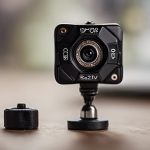
An indoor smart home camera offers advantages that suit hidden camera applications: compact form factors, wireless connectivity, and integrated audio. A best indoor camera with audio can capture conversations or sounds that provide context to recorded footage, while a best indoor wifi camera enables remote live viewing and push alerts to your phone. Many models marketed as the best small indoor camera or best surveillance camera indoor are deliberately designed to be unobtrusive, making them useful for discreet monitoring when used responsibly.
Common practical use cases for hidden indoor cameras
People use indoor video camera systems for a range of legitimate reasons. Parents commonly rely on an indoor smart home camera as a baby monitor or nanny cam to ensure a child’s safety when caregivers are present. Pet owners use indoor cameras for home pet monitoring to observe separation anxiety or check on feeding routines. Elder care is another major application—indoor cameras for home can help family members verify that elderly relatives receive scheduled care or medication. Homeowners also deploy indoor security camera setups to monitor valuable rooms, identify theft, or collect evidence after a break-in. Contractors or cleaning crews can be monitored during service visits to prevent property damage or misuse. In rental properties, landlords sometimes use cameras outside private living areas to protect common spaces and appliances.
Choosing the right camera: features that matter
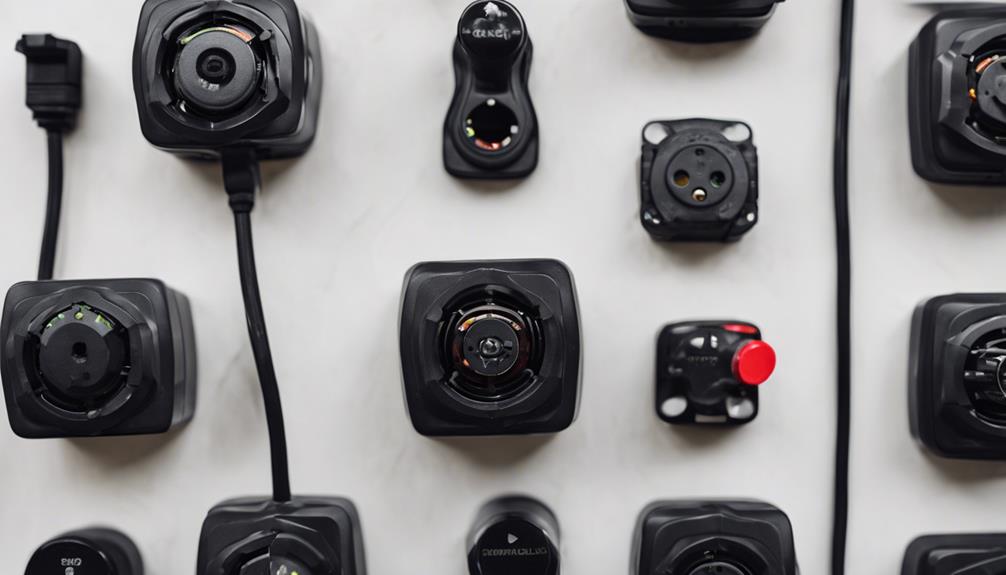
Selecting the best indoor security system for your needs requires balancing features, price, and privacy. For audio-sensitive monitoring, look for a wireless indoor security camera with audio and clear two-way communication. If you need remote reliability, choose the best indoor wifi camera models with robust app support and encrypted cloud or local storage. For discreet placement, a best small indoor camera or camera for inside house that blends into household items is ideal. If budget is a constraint, many consumers search for a cheap indoor security camera; these can be perfectly adequate for basic motion alerts and live viewing, though they may lack advanced motion zones, higher resolution, or strong encryption. Consider the best surveillance camera indoor options that offer night vision, motion detection, and flexible mounting so footage is useful in the situations you expect to monitor.
Installation and best practices for hidden camera placement
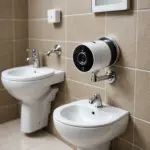
Placement determines the usefulness of an indoor camera for hidden camera applications. Install cameras at eye level or higher to capture wide fields of view; corners often provide comprehensive coverage of a room. For nanny cam use, place a camera where caregivers move naturally and not in private areas like bathrooms. When using security cameras wireless indoor models, ensure there is a reliable Wi Fi signal; weak connectivity can lead to dropouts and missed events. If you choose a wireless indoor camera system with battery operation, keep battery life and notification settings in mind so you don’t lose footage. Use features like motion-triggered recording and adjustable sensitivity to reduce false alerts from pets or window movement. For more discreet monitoring, some indoor cameras are designed as everyday objects—clocks, lamps, or smoke detector housings—but always follow local laws and informed consent requirements. Indoor smart home camera buyers should check our Arlo model comparisons for features, performance, and pricing.
Legal, ethical, and privacy considerations
Hidden camera applications raise important legal and ethical questions. Laws vary by jurisdiction regarding recording audio, so a best indoor camera with audio may be subject to consent rules; in many areas, you must have the consent of at least one party to record conversations. Secretly placing cameras where individuals have a reasonable expectation of privacy, such as bedrooms and bathrooms, is illegal in many places and ethically problematic. Even when cameras are legal, transparent communication with household members, guests, and caregivers builds trust and reduces conflicts. If you plan to use footage in a legal dispute, ensure your device records reliably and stores data securely, whether on encrypted cloud servers or local storage like microSD cards. Seek legal advice if you’re unsure about regulations for surveillance cameras wireless indoor or other hidden camera deployments in your area.
Maintenance, security, and long term use
Maintain and secure your indoor cameras to protect both privacy and functionality. Regularly update firmware to patch vulnerabilities that could expose feeds. Change default passwords and use strong, unique credentials combined with two factor authentication when available. For long term evidence retention, select indoor cameras for home that offer configurable retention periods or downloadable backups. If you opt for a cheap indoor security camera, be aware that lower-cost devices may receive fewer security updates; weigh convenience against potential risk. Finally, review notification settings periodically to avoid alert fatigue and ensure the camera remains focused on the choices you originally intended.
Indoor smart home camera devices are powerful tools for legitimate hidden camera applications when used responsibly. By choosing the right features—audio where needed, reliable Wi Fi, small form factors for discreet placement—and by following legal and ethical guidelines, homeowners can protect family members, prevent theft, and monitor caregiving situations effectively. Proper placement, secure configuration, and regular maintenance maximize the benefits while minimizing privacy risks. Thoughtful use of an indoor smart home camera ensures it enhances home security and peace of mind rather than creating conflict.