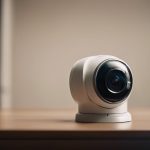

Outdoor cameras can help monitor entrances, driveways, garages, gardens, and other areas around a property. A discreet installation may be useful when a prominent device is likely to attract tampering or interfere with the appearance of the home. However, concealment should never replace careful planning: the camera still needs a reliable power source, a clear view, suitable weather protection, and placement that respects other people’s privacy.
When an outdoor camera can help
Different areas of a property call for different types of coverage. Before choosing a device, identify what you need to observe and how often the area is used.
- Driveway: Monitor vehicle arrivals, departures, deliveries, and activity near a garage or gate.
- Front porch: Record visitors and package drop-offs while maintaining a clear view of the approach to the door.
- Back door: Cover a less visible entrance that may be vulnerable to unauthorized access.
- Backyard: Check on children, pets, landscaping, or activity around areas where safety is a concern.
- Remote parts of the property: Solar-powered or wireless cameras may be practical where running cable is difficult.
For wildlife or occasional property monitoring, a discreet camera can reduce the chance that animals or people will disturb the equipment. For regular security monitoring, make sure the device can record consistently and send alerts when needed.
Features to compare
The best camera is not necessarily the smallest one. Performance and reliability matter more than concealment alone.
Weather protection
Outdoor equipment should be designed for exposure to rain, dust, and changing temperatures. An indoor camera placed outside may fail or become unsafe unless it has suitable protection. Check the manufacturer’s outdoor rating and install the camera where water cannot collect around the housing, cable, or power connection.
Motion detection and alerts
Motion detection can reduce unnecessary recording and help conserve battery power. Look for settings that allow you to adjust the monitored area or sensitivity so that routine movement, such as passing branches or nearby traffic, does not create excessive alerts.
Night vision and image quality
A camera that performs well during daylight may produce limited footage after dark. Consider whether the camera needs to identify a person at a doorway, observe a wider driveway, or simply show general movement. A wide view can cover more ground, while a longer-range model may be more useful for a distant driveway or boundary.
Power and connectivity
Wired cameras generally avoid frequent battery changes, but installation may be more complicated. Battery-powered models are easier to position but require regular checks and recharging. Solar options can be helpful in exposed locations where wiring is impractical, provided the panel receives adequate light.
Wireless cameras also depend on a dependable connection to the home network. Check the distance between the proposed location and the router, along with any walls or structures that could weaken the signal. If a camera cannot reliably transmit footage, its other features will provide little benefit.
Storage and audio
Review how recordings are stored, whether through local storage or a cloud service, and how long footage remains available. Audio requires particular caution. Laws governing the recording of conversations may be stricter than those governing video, so disable audio when it is unnecessary and check the rules that apply in your location.
Placement and concealment tips
Choose a position that combines a clear sightline with reasonable protection from weather and accidental damage. Eaves, architectural features, landscaping, or suitable outdoor fixtures may provide concealment without blocking the lens. Keep leaves, branches, decorations, and glare-producing surfaces out of the camera’s field of view.
For a driveway or entrance, test the viewing angle before permanently mounting the camera. A higher position can reduce obstructions, but an excessively high camera may make it harder to capture useful facial detail. Aim at the area where people or vehicles are most likely to pass rather than covering as much space as possible.
Do not hide a camera in a way that creates an electrical or maintenance hazard. You should still be able to inspect the housing, clean the lens, replace a battery, update the device, or retrieve recordings. If a camera is placed inside a fixture or decorative object, ensure that the enclosure does not interfere with ventilation, wireless communication, or night vision.
Privacy, consent, and responsible use
Outdoor surveillance should be limited to areas you are entitled to monitor. Point cameras toward your own driveway, porch, doors, and yard rather than neighboring windows, fenced private spaces, or areas where people reasonably expect privacy. Avoid recording more of the surrounding street or adjoining property than is necessary for your purpose.
Local rules may address video surveillance, audio recording, notification, and the use of cameras in shared or rented properties. If other household members, visitors, workers, or tenants may be recorded, consider whether notice or consent is required. Visible signage can provide transparency and may also discourage unwanted activity without relying entirely on concealment.
A practical decision checklist
- Define the area and activity you need to monitor.
- Choose an outdoor-rated camera rather than adapting an indoor model.
- Confirm power, network coverage, storage, and night-time performance.
- Test the angle before final installation.
- Keep the lens unobstructed and the equipment accessible for maintenance.
- Limit the view to your property and review local privacy and audio rules.
A discreet outdoor camera can support property monitoring when it is selected for the environment and installed thoughtfully. The most effective setup balances concealment with dependable coverage, safe maintenance, and respect for the privacy of everyone who may enter the camera’s view.