
Modern surveillance needs often call for cameras that can cover wide areas without installing multiple devices. A 180 degree security camera provides a broad field of view that captures half of a full circle, making it ideal for monitoring hallways, storefronts, small yards, and open rooms. When used thoughtfully and lawfully, these wide-angle cameras can serve as effective hidden camera solutions for specific applications, combining discreet placement with comprehensive coverage. A 180-degree security camera can enable wide-angle covert monitoring for discreet observation of large interior spaces.
What a 180 degree security camera offers
A 180 degree security camera uses a wide-angle lens to capture a panoramic view that eliminates many blind spots typical of traditional cameras. Unlike a 360 degree camera that sees in all directions, the 180-degree option is purposefully directional: it delivers a broad frontal view with better detail and fewer stitching artifacts. This makes the device particularly useful where a single unobstructed sweep of an area is required—such as the front entry of a business, a reception area, or a living room—without the need for multiple overlapping units.
Practical use cases for hidden camera applications
Hidden camera uses and applications for a 180 degree security camera span both residential and commercial contexts. At home, homeowners often use these cameras to monitor entryways, nurseries, or living spaces to check on children, pets, or deliveries. In small retail settings, a discreetly positioned 180-degree camera can cover an entire sales floor and point of sale area to deter theft and improve loss prevention. In offices and shared spaces, they are useful for monitoring entrances and lobbies where a wide view provides situational awareness without installing several devices. Property managers and short-term rental hosts also rely on hidden 180-degree cameras in common areas to protect against damage while respecting private spaces.
Installation and concealment tips for effective coverage
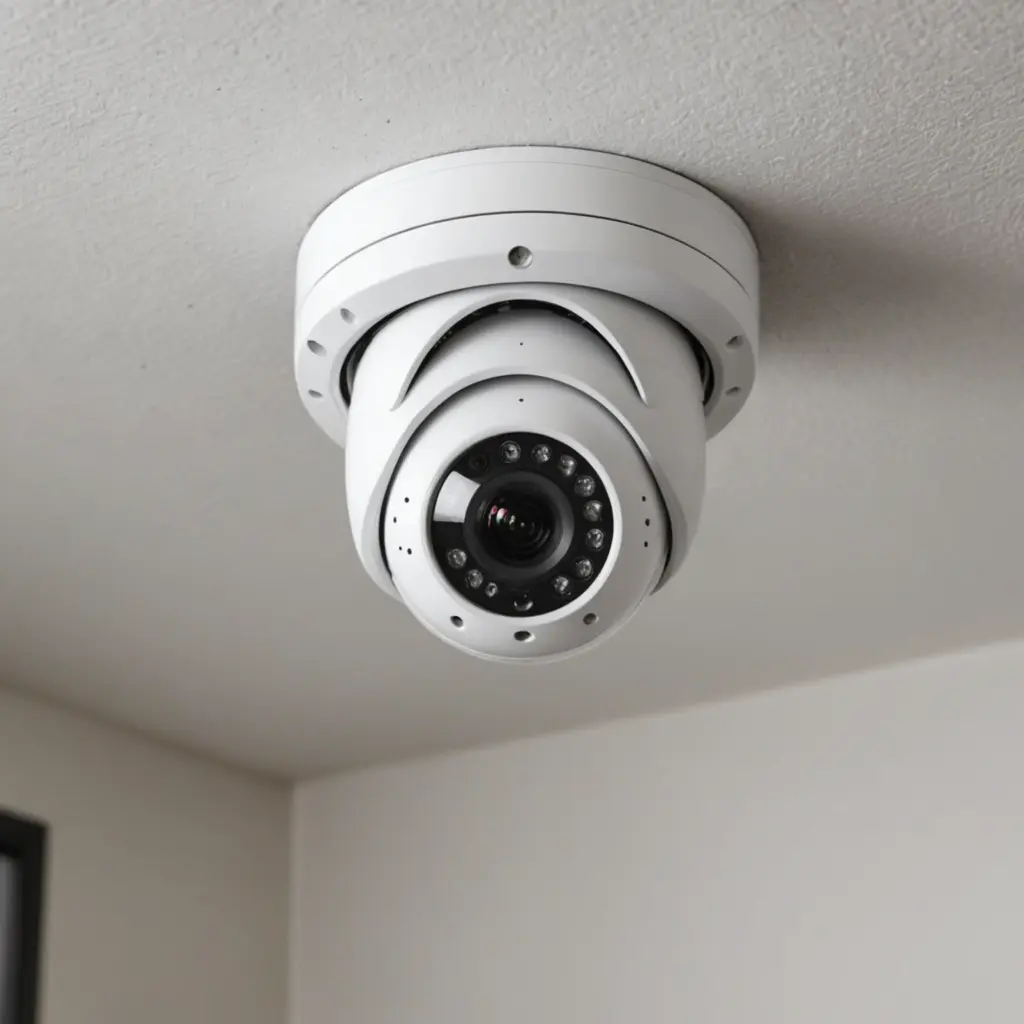
Getting the most out of a 180 degree security camera requires thoughtful placement. Mounting the camera at a medium height—around 8 to 10 feet in typical rooms—ensures a balanced perspective that captures faces and actions while minimizing distortion from an extreme angle. Position the camera to face the main corridor or the most trafficked area so the broad view covers entrances and potential exit points. When concealing the device for discreet monitoring, choose positions that look natural—inside smoke detector housings, within shelving units, or behind decor that does not obstruct the lens. However, concealment should not be used to invade personal privacy; always avoid hidden cameras in bathrooms, changing areas, or any space where individuals have a reasonable expectation of privacy.
Technical features to consider
Not all wide-angle cameras are created equal, so evaluate key specifications before choosing a 180-degree camera. Resolution is crucial: a higher megapixel sensor will preserve facial details at the edges of the wide field of view. Look for cameras with low-light capabilities or infrared illumination if monitoring at night is necessary. Wide dynamic range helps balance bright windows and darker interiors. Consider connectivity and storage options—many models offer both local SD card recording and cloud backups, alongside motion-triggered alerts via a smartphone app. Power delivery matters too: hardwired models provide continuous operation, while battery-powered units offer flexible placement but require attention to battery life and charging cadence.
Legal and ethical considerations for hidden camera uses and applications
Using a 180 degree security camera as a hidden camera raises legal and ethical questions that must be addressed upfront. Laws vary by jurisdiction regarding audio recording, consent, and video surveillance in private spaces. In most areas it is illegal to place hidden cameras in locations where people expect privacy, such as bathrooms, locker rooms, and changing areas. Employers who install cameras should follow local labor laws and often need to provide notice to employees. As a best practice, inform household members and visitors about monitoring in common areas and consider visible deterrents for areas where recording is allowed. When evidence collection is the goal, document how and why surveillance was set up and retain footage securely to prevent unauthorized access. For broader coverage than a 180 degree security camera, consider a wide angle IP model for discreet monitoring.
Beyond legality, consider the ethical dimension: surveillance should balance safety and respect for personal autonomy. Use cameras to protect property, ensure caregiver accountability, or improve operational security, but avoid intrusive monitoring of private moments. Transparent policies, limited retention of footage, and secure storage help maintain trust and reduce the risk of misuse.
Choosing the right model for your needs
Select a 180 degree security camera based on the environment and intended application. For inside home monitoring where covert placement is desired, prioritize compact form factors, wireless connectivity, and battery options if wiring is impractical. For small businesses, robust network cameras with PoE power, better sensors, and enterprise-grade encryption may be more appropriate. Evaluate mounting options and whether the camera’s enclosure can be integrated discreetly into a shelf, ceiling, or fixture. Also confirm that the manufacturer provides timely firmware updates and solid customer support to address security vulnerabilities and compatibility issues as networks evolve.
When deployed responsibly, a 180 degree security camera can be an efficient addition to a layered security plan. It reduces the number of devices needed to cover key areas, simplifies monitoring, and when used as part of the hidden camera uses and applications cluster, offers discreet oversight that supports safety and loss prevention without sacrificing clarity or control.
In conclusion, a 180 degree security camera is a practical tool for wide-area monitoring in both residential and commercial settings. Its broad field of view, combined with careful placement and the right technical features, makes it well suited to many hidden camera uses and applications—provided it is used legally and ethically. Prioritize high-quality optics, secure storage, and transparent policies to get reliable coverage while respecting privacy. With proper planning, these cameras deliver effective surveillance coverage that balances visibility, discretion, and accountability.