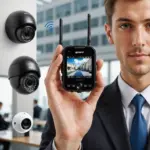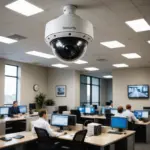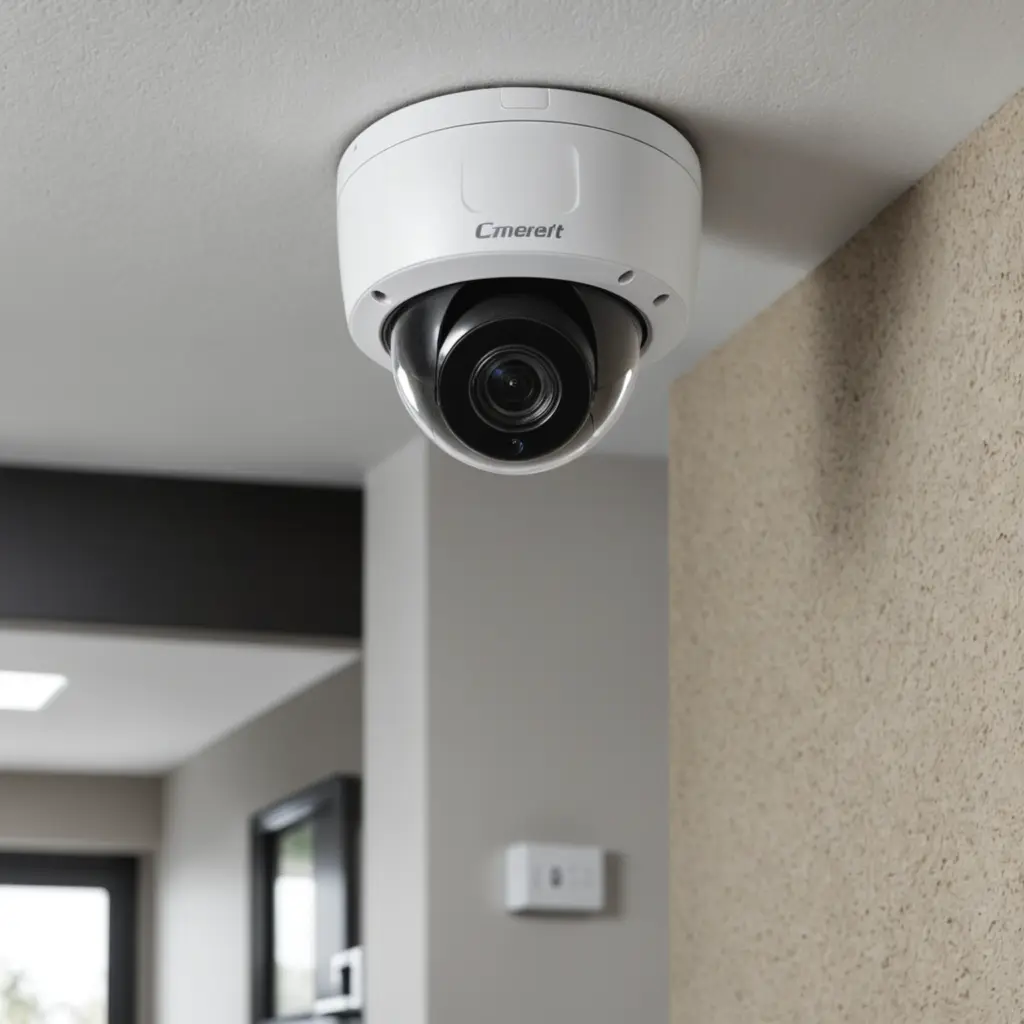

Smart Security Camera Installation is an increasingly popular way for homeowners and small business owners to enhance safety, deter theft, and monitor activity remotely. As camera technology improves, installations have become easier and more versatile, enabling discreet placements that blend into everyday environments. This article explains practical steps for a successful installation, highlights common hidden camera uses and applications, and covers legal and maintenance considerations to ensure your system serves its intended purpose without compromising privacy. When planning smart security camera installation, consider covert monitoring methods for privacy-respecting indoor observation and evidence collection.
Why proper installation matters for smart security systems
Installing a smart camera correctly is about more than just mounting a device and connecting to Wi‑Fi. Proper placement, power management, and network configuration all influence image quality, reliability, and the ability to capture useful footage when it matters. A thoughtful installation reduces false alerts, extends device lifespan, and makes data retrieval straightforward. Whether you are integrating a single indoor camera for nanny monitoring or a multi-camera setup for property-wide surveillance, taking time to plan the camera security system installation will pay off in performance and peace of mind.
Planning and optimal placement for coverage and discretion
Begin by mapping the areas you want to monitor and identifying sightlines, lighting conditions, and potential obstructions. For outdoor cameras, consider entrances, driveways, and blind spots around the perimeter. Indoors, hidden camera uses commonly include monitoring high-value areas such as entrances, safe locations, or spaces used by caregivers. Placement should balance discretion with an unobstructed field of view. Cameras tucked into décor, smoke detector housings, or inside shelving can remain unobtrusive while providing clear visuals, but ensure nothing interferes with the lens or infrared LEDs used for low light. Keep in mind that high placement reduces tampering but can limit facial recognition unless angled correctly.
Types of installations and step-by-step setup tips
Smart security cameras generally fall into wired, wireless, or hybrid categories. Wired systems offer consistent power and often connect to a recorder such as an NVR or DVR, which is a traditional approach for comprehensive camera security system installation. Wireless cameras rely on Wi‑Fi and are easier to position but depend on battery life or nearby power outlets. A hybrid approach uses PoE cabling to deliver both power and data for reliable, low-maintenance operation in larger installations.
Start any installation by updating camera firmware and creating a secure account with two‑factor authentication. Run a test of Wi‑Fi coverage or Ethernet connections at each planned location. When mounting, secure cameras to studs or use appropriate anchors to prevent sagging. For hidden camera applications, camouflage housings and cable management are crucial; conceal wiring within walls or decorative elements while maintaining access for maintenance. Configure motion zones to focus on areas of interest and reduce alerts from irrelevant motion such as street traffic or tree branches. Finally, verify that recordings are being stored either locally or in the cloud, and set retention policies that meet your needs without overwhelming storage capacity. For smart security camera installation projects, prioritize 180-degree coverage to minimize blind spots and simplify monitoring.
Practical hidden camera uses and applications
Hidden camera uses range from legitimate home security to specialized monitoring tasks. Parents may use discreet indoor cameras to check on babysitters or monitor children’s safety, while pet owners rely on hidden views to assess separation anxiety or ensure pets are not getting into hazards. Small business owners commonly use concealed cameras to deter internal theft, monitor cash handling, and document incidents for insurance purposes. In rental properties, subtle cameras near entrances can help verify maintenance visits or track unauthorized access, though transparency and legal compliance are paramount. For some applications, like elderly care, hidden cameras provide reassurance about a caregiver’s attentiveness and can quickly capture evidence if concerns arise.
Legal, ethical, and privacy considerations
Before installing any concealed device, understand local laws and regulations. Many jurisdictions prohibit recording people in private spaces such as bathrooms or bedrooms without explicit consent. Even when placement is legally permissible, ethical considerations matter: occupants and regular visitors should be informed if monitoring exists in shared living spaces. For businesses, clearly posted notices about surveillance can prevent misunderstandings and may be required by law. Secure your camera feeds with strong passwords and encrypted storage to protect footage from unauthorized access. When using footage as evidence, maintain a clear chain of custody and timestamped files to preserve integrity.
Maintenance, optimization, and long-term reliability
Routine maintenance keeps a smart camera installation reliable. Schedule periodic checks to clean lenses, test motion detection, and verify firmware updates. For systems connected to a network video recorder or cloud service, confirm backups and retention settings to avoid accidental overwrites. Optimizing camera angles and sensitivity settings over time will reduce false positives and improve the relevance of alerts. If you experience wireless dropouts, consider switching to a wired PoE connection or adding network extenders to stabilize performance. Regularly review footage and system logs to identify patterns that suggest tampering, environmental issues, or the need for additional coverage.
Smart Security Camera Installation can be tailored to a wide range of hidden camera uses and applications, from discreet home monitoring to comprehensive business surveillance. By planning thoughtfully, following best practices for placement and connectivity, and respecting legal and ethical boundaries, you can create an effective camera security system installation that enhances safety while protecting privacy. Regular maintenance and mindful optimization ensure the system continues to serve your needs reliably over time.