
Choosing the right surveillance setup often comes down to balancing coverage, image quality, and the type of cameras you want to include. A 4 Camera Security Camera System offers a practical, scalable solution for many homes and small businesses. It provides enough viewpoints to cover main entry points and vulnerable areas while keeping installation and maintenance manageable. In contexts where covert monitoring is needed, understanding specific spy camera types and how they integrate with a multi-camera system becomes essential.
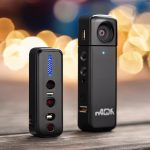
When installing a four-camera security system, consider covert camera types that meet discreet monitoring requirements.
Why choose a 4 Camera Security Camera System?
A four-camera package strikes a good balance between cost and comprehensive coverage. For most single-family homes, a 4 Camera Security Camera System can observe front and back doors, a driveway or garage, and a main living or business area. The modular nature of a four-camera layout lets you mix camera types—such as visible dome cameras for deterrence and small covert spy cameras where concealment is required—while maintaining unified recording and playback. This configuration is also easier to expand later; adding additional cameras, sensors, or network storage is usually straightforward.
Wired or wireless: when to opt for a 4 camera wired security system
One common decision is whether to go wired or wireless. A 4 camera wired security system remains popular for users who prioritize reliability and consistent power. Wired systems typically use Power over Ethernet or separate power cabling, which reduces signal interference, eliminates battery maintenance, and ensures 24/7 operation. For properties with existing cabling or straightforward installation routes through attics and basements, a wired setup can offer professional-grade uptime and better integration with traditional network video recorders.
Wireless systems, by contrast, excel where running cables is impractical, but they can be subject to Wi-Fi congestion and require periodic battery changes or solar solutions. If you plan to include specific spy camera types that are covert and battery-powered, consider whether you can periodically retrieve and recharge devices or if a wired camera with disguised housings would be a better long-term choice.
Key components and compatibility with spy camera types
A complete 4 Camera Security Camera System typically includes four cameras, a recorder (either NVR or DVR), a power supply or PoE switch, and storage. When integrating specific spy camera types—such as pinhole cameras, smoke detector cameras, or clock cameras—compatibility matters. Many modern recorders accept both analog and IP inputs through hybrid channels, but verifying video formats and connectors before purchase prevents headaches. Pinhole and other covert cameras often output analog signals that will require a DVR or an analog-to-IP encoder if you prefer NVR-based recording.
Additionally, ensure the recorder supports the resolution and frame rate of your chosen spy devices. Some miniaturized spy cameras prioritize concealment over high resolution, so pairing them with a recorder that can adjust bitrate and apply image enhancement will yield the best results. If you want remote viewing, confirm whether the system or each camera supports network access and secure mobile apps.
Placement, coverage planning, and legal considerations
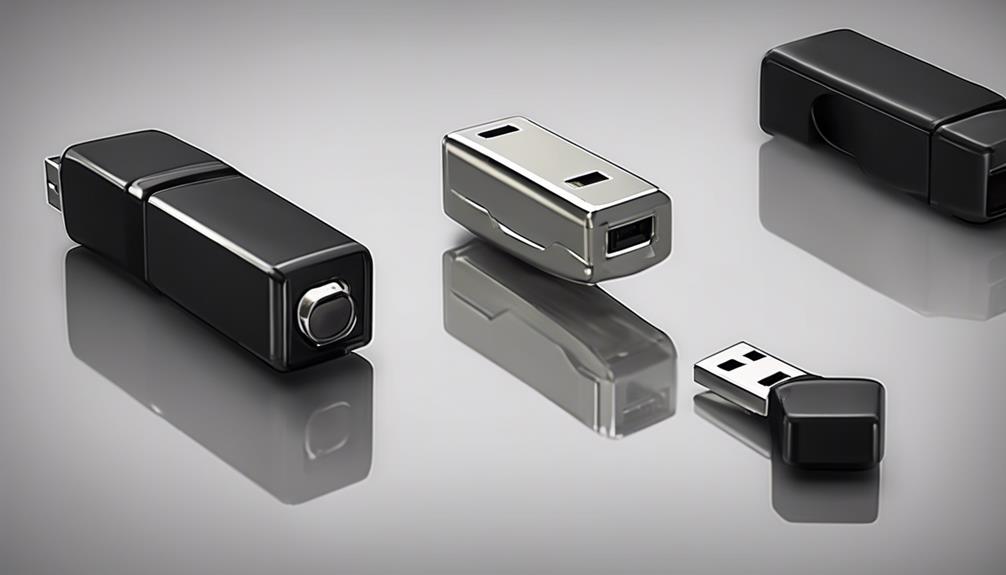
Effective placement is critical for any surveillance package. With four cameras, map the most critical approaches and interior sightlines. Outdoors, position cameras to cover entry points and paths to doors; inside, focus on living areas, cash or inventory storage, and stairways. When using covert spy camera types—such as USB charger cameras, button cameras, or hidden nanny cams—remember that concealment increases monitoring power but also raises legal and ethical obligations. Laws about recording in private spaces vary by jurisdiction; for example, recording in bathrooms or areas where people have a reasonable expectation of privacy is illegal in many places.
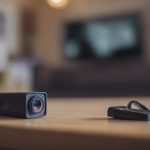
For DIY enthusiasts wanting discreet recording, consider a compact surveillance setup to complement a four-camera system.
To stay compliant and respectful, use concealed cameras only in areas where monitoring is lawful and appropriate, and make sure tenants or employees are informed according to local regulations. For business owners, posting visible notices about surveillance in common areas can deter theft while avoiding privacy violations that could arise from undisclosed hidden cameras.
Installation tips and maintaining a reliable system
When installing a 4 Camera Security Camera System, plan cable routes for durability and aesthetics. For wired installations, run cables through walls or conduits and use weatherproof connectors outdoors. If integrating spy camera types, test each device’s angle and field of view before final concealment; tiny adjustments can dramatically change coverage. Calibrate motion detection zones to reduce false alerts from passing cars or tree branches. For storage, choose appropriate retention time on your recorder based on your needs; businesses may require longer retention for evidence.
Regular maintenance includes cleaning lenses, checking connections, updating firmware, and testing remote access. For wired systems, verify that backup power options such as UPS units are in place to keep recording during outages. If you included battery-powered covert cameras, set a maintenance schedule for battery swaps or recharges to avoid blind spots when most needed.
Practical use cases for homes and small businesses
A 4 Camera Security Camera System is versatile across many scenarios. Homeowners use four cameras to secure perimeter doors, yards, and an interior main room. Parents who employ specific spy camera types like nanny cams often pair them with visible cameras to balance privacy and deterrence—visible cameras deter intruders while a covert camera can help document misuse when needed. Small retailers or cafes use four cameras to monitor entrances, cash registers, stock areas, and outdoor seating, choosing a mix of visible and disguised cameras to both prevent theft and capture evidence.
For property managers and Airbnb hosts, a discreet combination of unobtrusive cameras and an overall four-camera layout can protect shared spaces without intruding on guests’ privacy. Always consider the legal framework: a well-planned 4 Camera Security Camera System offers strong protection and compliance when designed thoughtfully.
In conclusion, a 4 Camera Security Camera System provides a practical, scalable foundation for both visible surveillance and the careful use of specific spy camera types. Whether you select a 4 camera wired security system for reliability or a hybrid approach for flexibility, prioritize compatibility, lawful placement, and regular maintenance. With thoughtful planning, a four-camera setup can secure entrances and interiors effectively while meeting the nuanced demands of covert monitoring where it is appropriate and legal.