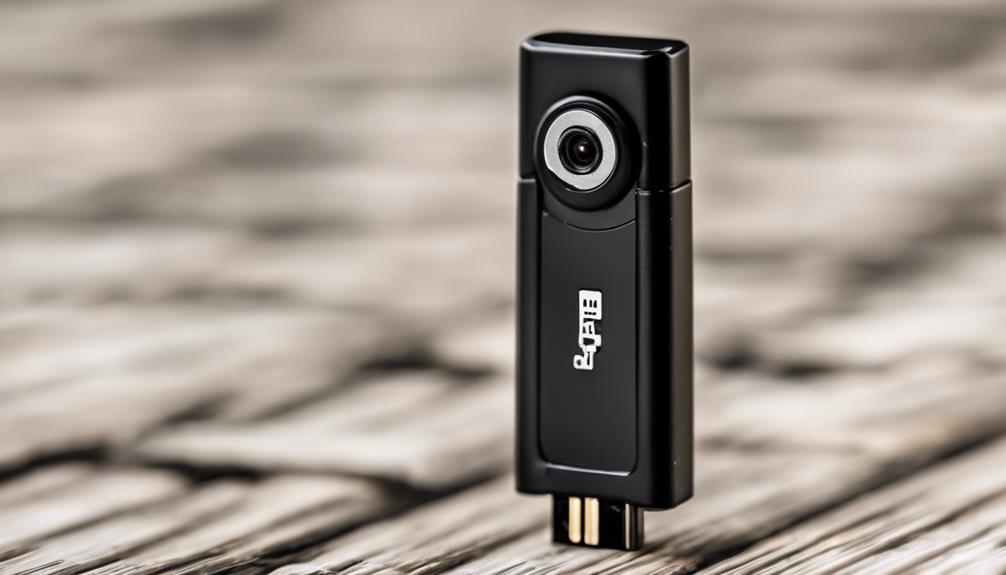

Outlet Camera devices have become a discreet and practical option for people looking to add covert surveillance to a home or business. Designed to look like ordinary electrical fixtures, these cameras hide inside wall outlets, plugs, or night lights while providing continuous power and remote monitoring. Whether called an electrical outlet camera, plug in spy camera, or wall socket camera, outlet cameras blend into everyday environments so you can monitor activity without drawing attention. Learn how outlet device designs hide different covert camera models for discreet home monitoring.
What is an outlet camera and how does it differ from other spy cameras?
An outlet camera is a small surveillance camera embedded within a power outlet housing, a plug, or a night light. Unlike standalone hidden cameras that might sit in plain sight on a shelf, an electrical outlet hidden camera is designed to replace or fit into existing fixtures, making it much harder to detect. Variants include a cam outlet that mounts inside a power receptacle, a plug socket hidden camera that plugs into an existing outlet, and even a hidden camera light switch that disguises the lens in a switch plate. Many models are marketed as outlet spy camera or power outlet camera and offer features such as continuous power, Wi-Fi streaming, motion detection, and microSD storage.
How outlet cameras work and where to install them
Most outlet cameras rely on continuous mains power, which allows them to run indefinitely without frequent battery changes. A plug in hidden camera or plug in night light spy camera typically contains a camera module, power circuit, and sometimes night vision LEDs and microphone. Some models replace an existing outlet, creating a permanent power outlet camera, while others plug into a receptacle as a discreet external unit. Wireless models stream video to a smartphone app or cloud service, whereas others record locally to an SD card. Installation usually involves removing an outlet cover or plugging the unit into a wall socket, and placement should consider sightlines, lighting, and legal constraints. For rooms where visibility is crucial, a wall plug camera or wall outlet spy camera positioned at chest height will capture clear facial images without appearing out of place.
Practical use cases for outlet and plug socket hidden cameras
Outlet cameras are particularly useful in situations where continuous, unobtrusive monitoring is needed. In residential settings, homeowners use hidden camera in electric socket devices to keep an eye on nannies, babysitters, or visitors when privacy concerns arise. Elder care is another common use, where a power socket spy camera can help family members monitor mobility, medication routines, and safety without a bulky camera in the room. Small business owners and retailers sometimes install a power socket camera or plug socket hidden camera to deter theft and monitor customer interactions. For those worried about nighttime activity, plug in night light spy camera models provide both illumination and surveillance. The versatility of spy outlet devices also suits temporary monitoring needs, such as short-term rentals or property management, where a plug outlet camera can be installed and removed as situations change.
Key features to look for when choosing an outlet camera
Selecting the right outlet camera means balancing discretion with technical capability. High-definition video and a wide-angle lens improve identification, while an outlet camera with audio captures conversations and context—important in both home security and business scenarios. Night vision is essential for low-light rooms, and motion-triggered recording conserves storage and battery life when applicable. If you prefer continuous recording, choose a model that supports large microSD cards or cloud storage. Connectivity matters: a reliable Wi-Fi connection and a user-friendly app make remote viewing and notifications straightforward. For genuinely covert use, models marketed as outlet spy camera or spycam outlet should have a realistic exterior appearance, such as a working outlet cover or functioning night light, so they do not arouse suspicion. Always check power requirements and local electrical codes if replacing an actual receptacle with a hidden camera outlet device. Consider outdoor outlet cameras for powering and integrating weatherproof devices with Google Home outdoors.
Legal and ethical considerations
Using a hidden camera in an electric socket raises important legal and ethical questions. Laws vary by jurisdiction, but a common principle is that recording persons in spaces where they have a reasonable expectation of privacy—such as bathrooms or changing areas—is illegal and unethical. In many places, recording audio without consent is restricted or requires at least one party’s permission. Before installing any hidden camera outlet or wall socket camera, research local statutes on audio and video surveillance and consider informing household members or employees when appropriate. Transparent use of monitoring for safety, theft prevention, or childcare, paired with clear policies, reduces legal risk and fosters trust. Ethical deployment also means using secure devices and strong passwords to prevent unauthorized access to camera feeds.
Maintenance, troubleshooting, and best practices
Maintaining an outlet camera involves routine checks for firmware updates, verifying recordings, and ensuring the camera remains firmly in place with an unobstructed view. If you use a plug outlet camera, make sure the adapter is compatible with your home’s voltage and that the Wi-Fi signal reaches the installation spot. For units with audio, test the microphone sensitivity to avoid clipping or muffled sound. Concealment should not compromise safety: avoid blocking actual electrical grounding or overloading circuits. Regularly review footage and test motion detection settings to reduce false alerts. If the device supports cloud backup, enable encrypted storage and two-factor authentication to protect the video stream from unauthorized access.
Outlet cameras, from electrical plug hidden camera units to more integrated wall outlet spy camera installations, offer a discreet, reliable solution for many surveillance needs. When chosen and used responsibly—considering legal and ethical limits—they enhance home security and business monitoring while remaining practically invisible to casual observers. Carefully evaluate features like video quality, audio capability, night vision, and connectivity to find the outlet camera that best fits your environment and objectives.