
Placing any kind of surveillance device in a bathroom raises serious legal and ethical issues, but understanding the types of small cameras often referred to as spy cams can help you make safer, lawful choices for monitoring and security. This article explains the specific spy camera types sometimes marketed for discreet use, why hidden placement in bathrooms or restrooms is almost always illegal, and practical, privacy-respecting alternatives when you need to protect people or property. For bathroom surveillance, review indoor concealment options to choose the right device form factor and features.
Legal and ethical considerations before thinking about a spy cam bathroom
Before you search for a bathroom spycam or a hidden bathroom cam, it is essential to understand that recording people in private spaces such as bathrooms, locker rooms, or changing areas is strictly prohibited in most jurisdictions. Laws about hidden cameras, wiretapping, and invasion of privacy vary by country and state, but the principle is the same: consent and reasonable expectation of privacy matter. Installing a hidden camera in a washroom or a hidden toilet camera without informed consent can lead to criminal charges, civil lawsuits, and severe reputational damage.
Even when the intention is to protect vulnerable people, such as elderly relatives or children, you should seek legal advice and obtain explicit consent from those being monitored when possible. In institutional settings, follow strict policies, post clear notices where surveillance is used, and prefer visible, noninvasive solutions to balance safety with dignity.
Common types of spy cameras: what they are and how they work
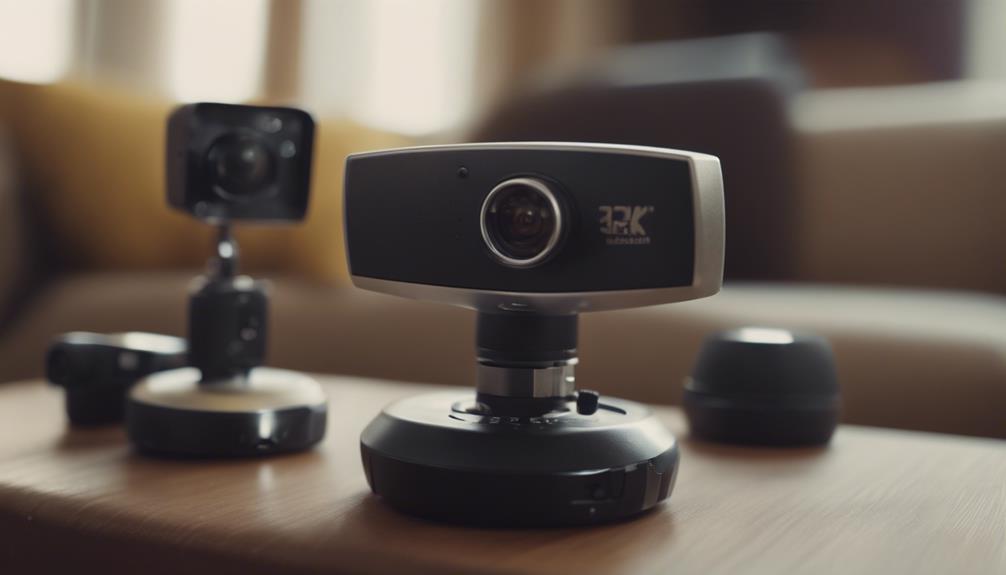
Many devices marketed as hidden or miniature cameras share similar hardware: a small image sensor, lens assembly (often pinhole), Wi-Fi or local recording capability, and a compact power source. The most common types include pinhole cameras, button cameras, and disguised cameras embedded in everyday objects.
Pinhole and button cameras
Pinhole cameras use a very small aperture to hide behind a tiny opening, making them easy to conceal in narrow spaces or behind vents. Button cameras are designed to look like shirt or jacket buttons and can transmit video wirelessly. Both types are favored for discretion because they are compact and can be fitted into unconventional housings.
Disguised cameras and converted objects
Cameras inside objects such as USB chargers, smoke detectors, clocks, and even mirrors are commonly sold as covert surveillance tools. A hidden camera in washroom hardware like a soap dispenser or a decorative item is technically possible, but again, such placement is illegal and unethical when used to record private activities. There are also models marketed as hidden toilet cameras or spy camera toilet inserts that specifically target very invasive placements and should be avoided entirely.
Practical and lawful use cases for discreet cameras
There are legitimate uses for small or disguised cameras when deployed appropriately and legally. For example, caregivers use visible cameras and monitoring devices in common living areas of assisted living homes to ensure safety, with consent and clear policies. Property managers sometimes use visible cameras in entryways and corridors to watch for vandalism or theft, and businesses may install security cameras in nonprivate areas for loss prevention. When considering a Spy Cam Bathroom scenario, review ethical placement tips to protect privacy and monitor pets.
If you are responsible for a rental property or commercial space, and you need evidence of vandalism or unauthorized access, opt for clearly visible cameras positioned outside or in shared, nonprivate areas rather than any device that could record inside a bathroom. For parents worried about a babysitter or nanny, the best practice is to use cameras in living rooms or play areas and to discuss monitoring openly to maintain trust and comply with legal requirements.
Choosing privacy-respecting equipment instead of hidden bathroom cams
When the goal is safety rather than secret surveillance, choose equipment designed for transparency and lawful use. High-resolution indoor cameras with motion detection, encrypted cloud storage, and remote alerts can secure entrances and common areas without invading personal privacy. Door and window sensors, smart locks, and occupancy sensors provide nonvisual ways to monitor activity around sensitive areas like bathrooms without recording people in private moments.
If you are evaluating devices commonly listed among the best hidden cameras for bathroom monitoring online, pause and consider alternatives. A visible camera in an adjacent hallway, a panic button, or scheduled welfare checks may achieve your safety objectives without breaching privacy. Where monitoring is legally justifiable, make sure devices use secure connections, strong passwords, and firmware updates to protect recorded data.
Installation, maintenance, and safeguards for responsible monitoring
For any camera deployment, follow technical best practices: install devices where they do not capture private areas, use encrypted transmission, change default credentials, and apply firmware updates to close security vulnerabilities. Maintain clear records about who has access to footage, how long it is retained, and the lawful basis for recording. If monitoring is part of an employment or care setting, create written policies, provide staff training, and display notices informing people that surveillance is in operation.
When consent is required, obtain documented permission and explain the scope of monitoring. In communal living situations or temporary accommodations, post signage and use cameras in nonprivate zones only. If you suspect illegal activity occurring in a bathroom, contact law enforcement rather than attempting secret recording.
Conclusion
While small cameras and disguised devices exist and are often searched for under terms like bathroom spy, bathroom spycam, or hidden camera in washroom, their use inside bathrooms or other private spaces is fraught with legal and ethical problems. Understanding specific spy camera types can help you choose safer, lawful alternatives that protect people and property without violating privacy. Prioritize transparent monitoring, secure technology, and informed consent; when in doubt, consult legal counsel and choose noninvasive security measures instead of hidden bathroom cams or hidden toilet camera devices.