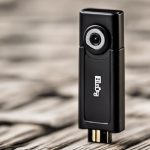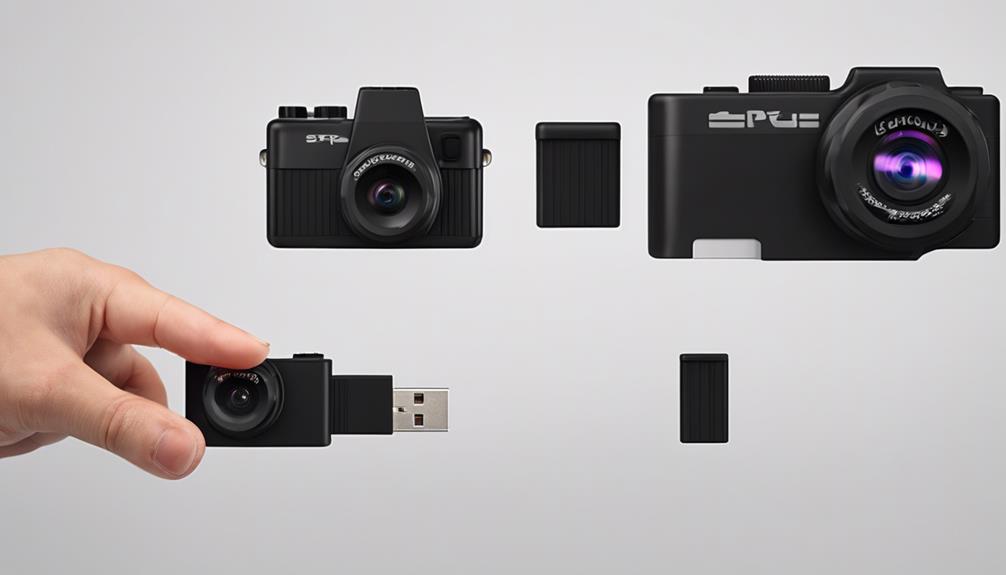

Toy security camera devices blend playful design with practical surveillance, hiding small lenses inside everyday toys like stuffed animals, action figures, or decorative figurines. These spy camera types appeal to people who want discreet monitoring for nurseries, entryways, or pets without obvious hardware. Whether you’re researching options for home security or evaluating specialized micro cameras embedded in toys, understanding how toy security cameras work and when they are appropriate will help you choose a device that meets technical needs while respecting privacy. Recognizing toy security features can help you compare miniature surveillance models for discreet monitoring needs.
What is a toy security camera and how it works
A toy security camera is a miniature surveillance camera concealed within an object that looks like a child’s toy or household decoration. The core components are the same as other compact spy cameras: a tiny imaging sensor, a lens, a recording module or wireless transmitter, and a power source. In some models the camera is integrated into a plush animal or doll so the lens is nearly invisible. Other designs place a micro video camera with toys such as action figures or remote-controlled devices, allowing both play and covert observation. Video can be stored locally on a microSD card, transmitted to a smartphone over Wi-Fi, or streamed to a cloud service depending on the model.
Common types and features of toy security cameras
Toy security cameras vary in complexity. Basic hidden camera toy models record continuously to internal storage and are powered by rechargeable batteries. More advanced units offer live streaming via Wi-Fi, motion detection alerts, night vision LEDs, two-way audio to listen and speak through the toy, and app-based playback. Resolution ranges from standard definition to 1080p and higher; higher resolution improves detail but may require larger storage capacity. Some cameras are disguised in seemingly innocuous household items like clocks or picture frames, while the micro video camera with toys category focuses specifically on devices built into playthings where concealment is a priority.
Stealth design and durability
Stealth is a major selling point. Concealment techniques include placing the lens behind a thin fabric or within a toy’s button or eye. Build quality matters when the device will be handled by children or pets; durable housings and securely enclosed electronics reduce the risk of damage or exposure. For long-term indoor monitoring, look for a design that balances concealment with serviceability—able to remove a small panel for charging or memory access without ruining the toy.
Practical use cases for toy security cameras
Toy security cameras are often used in settings where an overt camera might be intrusive. Parents may use them to check on infants or babysitters, while pet owners monitor behavior when away from home. They can also be useful in small businesses for discreetly observing a cashier desk or stockroom. When placed responsibly, these devices allow remote monitoring of activity, quick responses to alerts, and documentation of incidents. However, their discreet nature makes it essential to apply them only where lawful and ethical—monitoring common living areas is different from placing a camera in private spaces. Owners of a toy security camera often upgrade to a compact video gadget suited for lightweight vlogging.
How to select the right toy security camera
Choosing the best toy security camera requires balancing concealment, functionality, and legal considerations. Start by defining what you need: do you want continuous recording, motion-triggered clips, or live streaming? If remote viewing is important, prioritize models with reliable Wi-Fi connectivity and a user-friendly app. For long unattended periods, battery life and efficient motion-triggered recording will be critical. Consider resolution—1080p provides clear footage but uses more storage and bandwidth. Storage options matter too: local microSD storage keeps data off the cloud, while cloud storage offers easier access across devices. Finally, evaluate physical size and finish so the camera looks natural in its intended environment and won’t draw attention when someone inspects the area.
Legal and ethical considerations
Using a hidden camera toy brings important privacy responsibilities. Laws vary by jurisdiction, but a general principle is that you must not record people where they have a reasonable expectation of privacy, such as bathrooms or bedrooms. Consent is vital in many contexts—informing household members or employees about surveillance can prevent legal issues and maintain trust. Additionally, avoid deploying these devices for deception or illicit surveillance. If you plan to use a toy security camera for monitoring childcare providers or caregivers, check local regulations about audio recording as some places require explicit consent for capturing sound. Ethical use includes limiting recording to necessary areas, securing footage, and deleting recordings when they are no longer needed.
When considered and used responsibly, toy security cameras offer a discreet option among specific spy camera types for monitoring living spaces, pets, and entry points. They combine the convenience of micro video camera with toys and hidden camera toy design with modern connectivity and recording features. Select a model that meets your technical needs and complies with local laws, maintain transparency with affected parties when appropriate, and prioritize devices that provide reliable performance without compromising privacy. With the right approach, a toy security camera can be an effective component of a broader home security strategy while respecting ethical boundaries.