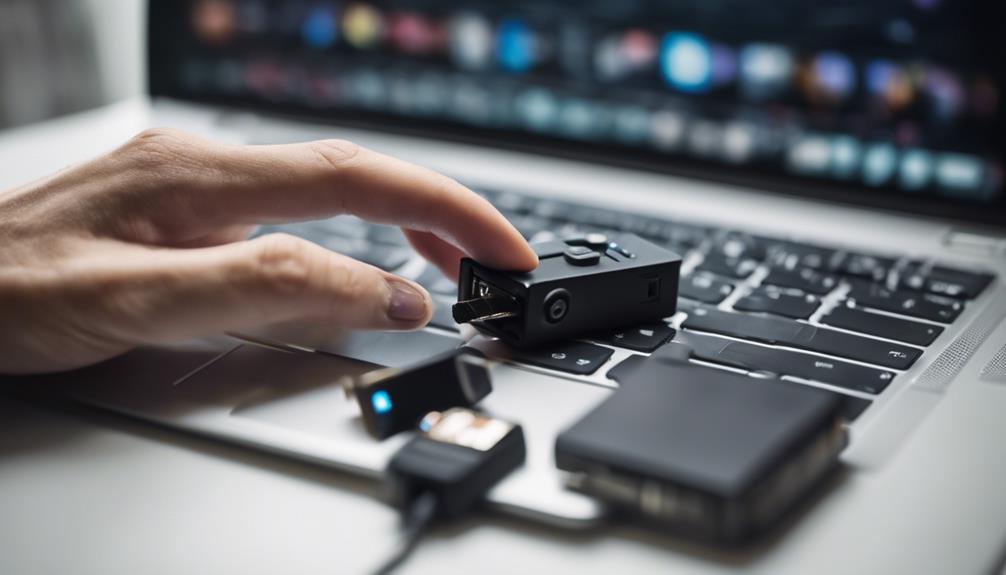

In an age where smartphones are always within reach, protecting your privacy has become as important as protecting your wallet. An iPhone front camera cover is a small, inexpensive accessory that offers a simple way to prevent unwanted recording or accidental selfies. Whether you call it a selfie camera cover or a front camera privacy shield, these tiny devices can be a practical part of a broader approach to personal security and responsible device use. Consider a privacy lens cover when exploring spy camera accessories to discreetly protect your iPhone's front-facing lens.
Why use an iPhone front camera cover?
Privacy concerns are the most common reason people choose a front camera cover. Spyware and malicious apps can sometimes turn a phone’s camera on without a user’s knowledge, and even when software protections exist, hardware-level covers create an extra layer of certainty. Beyond security, a selfie camera cover protects the lens from scratches and dust, prevents accidental activations during calls or pocket-dialing with camera-enabled gestures, and offers peace of mind in sensitive environments like meeting rooms or shared living spaces.
Types and designs of selfie camera covers
There are several styles of camera covers for iPhones, each with different trade-offs between discretion, durability, and ease of use. Sliding covers are the most common: a thin metal or plastic plate adheres around the lens, with a micro-slider that moves to expose or conceal the camera. Flip-style covers attach with an adhesive hinge and provide a more tactile open-close action. Magnetic covers pair with a metal ring or case accessory for tool-free attachment and quick removal. Some designs integrate with phone cases, creating a built-in solution that stays aligned without adhesive residue. The best choice depends on how often you need to cover the lens and whether you require compatibility with features like Face ID.
Choosing the right cover for your iPhone
When selecting an iPhone front camera cover, consider material, thickness, and alignment. Thin metal covers are durable and less likely to interfere with slim cases, but very thin covers may not clear camera protrusions on newer models. Adhesive strength matters: a cover that peels off easily is useless in a pocket, while an overly aggressive adhesive can leave residue on the glass. Check compatibility with Face ID and TrueDepth sensors — although most covers block only the visible front camera, some may obstruct infrared components and hinder facial recognition. If you rely on Face ID frequently, choose a removable or slide-style selfie camera cover that you can open for authentication and then close afterward.
Installation, maintenance, and performance tips
Installing a front camera cover is straightforward but benefits from a careful approach. Clean the area around the front camera with a microfiber cloth and a small amount of isopropyl alcohol to remove oils and dust, then allow it to dry completely before applying the adhesive. Align the cover precisely so the slider or flip clears the lens without blocking sensors. Over time, periodically check for adhesive failure, dirt buildup, or micro-scratches; remove the cover if you notice degradation that could affect photo quality. If your cover leaves residue, use a phone-safe adhesive remover or a lightly dampened cloth to clean the area, and test Face ID and the camera after reinstallation to ensure proper function. Consider upgrading to a case that protects both lenses by choosing a front and back cover option.
Practical use cases and where they fit in a security kit
Front camera covers are particularly useful for professionals who handle sensitive information, such as attorneys, healthcare providers, or executives, where inadvertent recording could pose legal or reputational risks. Travelers may use a selfie camera cover in hotels or public Wi-Fi zones to reduce exposure to potential device exploits. Parents sometimes apply covers on shared devices to protect children’s privacy. For anyone assembling a personal privacy kit, combine a selfie camera cover with strong passwords, two-factor authentication, privacy screen protectors, and regular software updates. A front camera cover is not a substitute for good digital hygiene, but it is a low-cost, high-impact addition to a layered approach to security.
Legal and ethical considerations
While an iPhone front camera cover can protect you from being recorded, it is important to use it ethically. Concealing cameras to invade someone else’s privacy remains illegal and unethical in most jurisdictions. Use camera covers to protect your own privacy or the privacy of people who have consented, and be mindful of rules in workplaces or public spaces where recording devices may be regulated. In short, these accessories support responsible use rather than covert surveillance.
In conclusion, an iPhone front camera cover or selfie camera cover is a simple, affordable accessory that complements broader privacy strategies. By understanding designs, compatibility with your iPhone model, and proper installation, you can add a discreet physical barrier that protects against accidental recordings, lens damage, and unwanted images. When paired with solid device hygiene and awareness of legal boundaries, a front camera cover is a practical tool in the modern privacy toolbox.