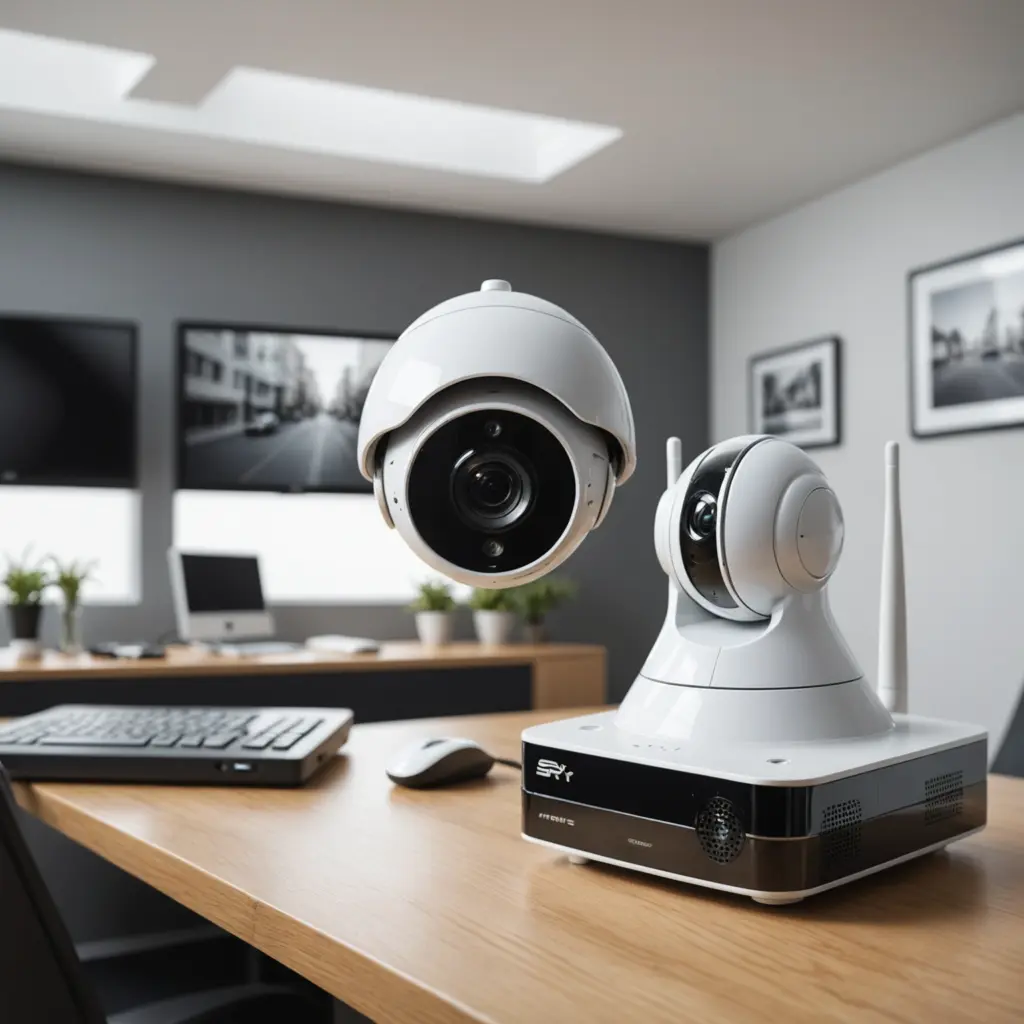

An in-home camera system with audio can provide more useful information than video alone. Sound may help you understand what is happening at a door, in a living area, or around an outdoor entrance. Depending on the system, you may also be able to speak through the camera, receive alerts for specific sounds, and review synchronized audio and video recordings. Learn how audio surveillance features in home systems overlap with miniature recording technology and detection methods.
Why audio can improve home monitoring
Video can show who is present, but audio often adds important context. A front-door camera with a microphone may capture a conversation with a visitor, a doorbell, or the sound of an impact. Two-way audio can let you speak with a delivery driver, check on a family member, or warn an unwanted visitor that the area is monitored.
Audio-enabled indoor cameras can also be useful for checking on children, pets, or elderly relatives. In these situations, the ability to listen and respond in real time may be more valuable than simply viewing a live feed.
Features to compare
Not every camera handles sound in the same way. When comparing systems, consider how the following features fit your needs:
- Two-way audio: A built-in speaker and microphone allow communication through the camera rather than only passive listening.
- Audio quality: Noise reduction and automatic gain control can make voices easier to understand in changing sound conditions.
- Synchronized recording: Audio and video should be stored with matching timestamps so that recordings are easier to review.
- Recording options: Depending on the model, footage may be stored on a microSD card, a local recorder, or a cloud service.
- Sound and motion alerts: Some systems can notify you about movement or selected sounds, although sensitivity settings may need adjustment.
- Night vision: Infrared viewing can help maintain video coverage in low-light areas, while audio may continue to provide context when images are less clear.
- Privacy controls: Look for privacy mode, activity zones, audio sensitivity controls, and the ability to disable recording when appropriate.
Indoor, outdoor, and portable camera options
Indoor cameras are generally designed for rooms such as entryways, living areas, and nurseries. Place them where they provide a useful view without unnecessarily recording private activities. Avoid aiming an indoor camera toward areas that do not need monitoring, such as bedrooms or neighboring properties.
For outdoor use, choose equipment intended to withstand the conditions where it will be installed. Position an outdoor camera beneath an eave or other cover when possible to reduce exposure to wind and rain, which can make recorded sound difficult to hear. A front-door camera should show visitors clearly while avoiding direct views into a neighbor’s windows or private spaces.
A portable camera system can be useful when permanent wiring is not practical, such as during travel or home renovations. Wireless models are convenient, but streaming high-definition video and audio requires a reliable home network. Check the camera’s connection requirements and place it where the wireless signal is strong enough for consistent operation. For broader monitoring beyond your property, audio-enabled GPS trackers can help locate people or valuables.
Storage, security, and smart-home integration
Audio recordings can use additional storage, particularly when a camera records continuously. Motion-triggered or sound-triggered recording may reduce the amount of footage saved, while continuous recording can provide a more complete record of events. Review how long recordings are retained and whether automatic deletion is available.
Local storage gives you more direct control over recordings, while cloud storage may make remote access and backups more convenient. Whichever option you choose, use strong account credentials, enable available security protections, and keep the camera’s software and connected apps updated.
Some audio-enabled cameras can connect with a home automation system or security hub. A detected person or sound may be used to trigger a notification, lighting routine, or alarm, depending on the equipment. Configure these integrations carefully so that frequent false alerts do not make important notifications easy to overlook.
Privacy and audio-recording rules
Audio surveillance can raise different legal and privacy issues from video monitoring. Rules vary by location, and recording a private conversation without the required consent may be prohibited. This can matter even when the camera is installed inside your home if its microphone captures visitors, housemates, workers, shared areas, or sound from outside the property.
Before enabling audio recording, check the rules that apply where you live. Tell household members and visitors when appropriate, use clear notices if required, and limit the microphone’s range or disable audio when it is not necessary. Renters and residents of multi-family buildings should also review building policies and local requirements.
Making the final choice
The best in-home camera system with audio depends on how you intend to use it. Prioritize two-way communication for door monitoring, clear sound and night vision for indoor checks, weather-resistant construction for outdoor installation, and flexible storage if you need recorded evidence. Careful placement, secure account settings, and responsible audio configuration can help you monitor your home while reducing unnecessary recording and privacy concerns.