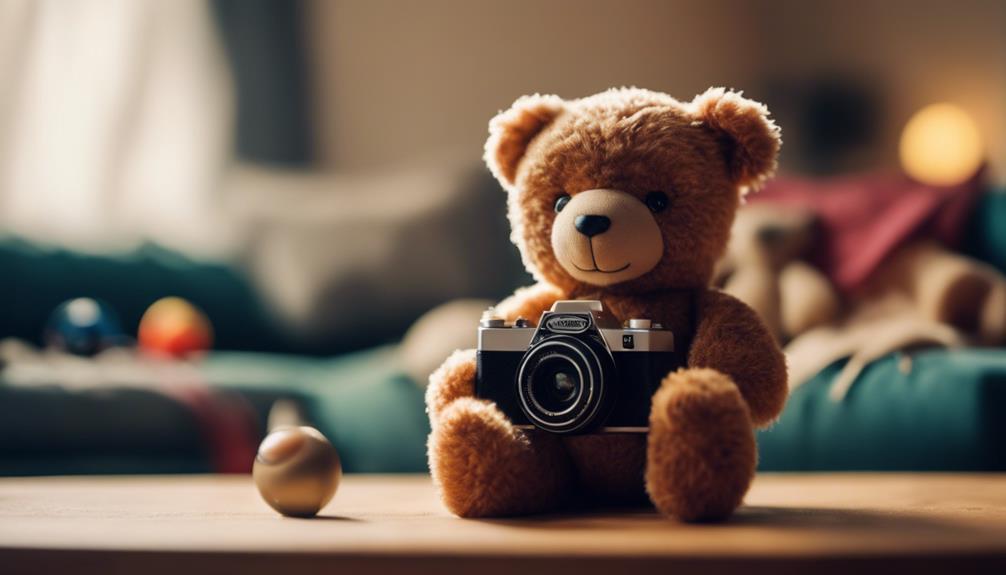

A nanny cam teddy combines a familiar stuffed animal with a small camera. Depending on the design, it may record video and audio, detect movement, capture activity in low light, or stream footage over Wi-Fi. Because the device is disguised as a toy, it can be less visually intrusive than a conventional indoor camera—but that also makes privacy, consent, and careful placement especially important.
These cameras may be used to check on children, pets, a room in the home, or activity during a house sit. They should be used only for a legitimate safety or monitoring purpose, in accordance with local law and with respect for anyone who may be recorded.
How a nanny cam teddy works
A camera is built into the plush toy, often behind or near an eye or another small opening. The design should leave the lens unobstructed while keeping the toy’s appearance largely unchanged. Depending on the model, footage may be stored on a microSD card, saved to another device, or viewed remotely through a mobile app.
Common features include:
- Video recording: Resolution varies, but a clear image is more useful than a high specification that the device cannot reliably support.
- Audio: Some models record sound as well as video. This feature requires particular care because audio-recording rules may be stricter than video rules.
- Motion detection: Recording can begin when movement is detected, helping reduce unnecessary footage and storage use.
- Night vision: Infrared capability may make activity visible in dim conditions, although the image may differ from daytime footage.
- Wi-Fi access: Internet-connected models can allow remote viewing, while offline models generally rely on local storage.
- Power options: A device may use a rechargeable battery, USB connection, or mains power. Battery runtime and charging access should match the intended location.
Where a stuffed animal camera may be useful
Parents may consider a nanny cam teddy for viewing a play area or checking on a child while nearby. Pet owners may use one to observe a room when a pet is left alone. A camera can also help document activity during a house sit or provide limited visibility into a shared living space.
These uses do not automatically make hidden recording appropriate. A toy camera should not be placed in bathrooms, changing areas, bedrooms used by adults, or other spaces where people reasonably expect privacy. Avoid using it as a substitute for direct care, supervision, or professional support when those are needed.
Choosing the right nanny cam teddy
Start with the purpose of the camera rather than the appearance of the toy. If you only need occasional local recording, a model with dependable storage may be simpler than one that depends on Wi-Fi. If remote viewing is important, check how the app works, what account is required, and whether the device supports strong account security.
Also consider:
- Whether the viewing angle covers the intended area without pointing into private spaces.
- How recordings are stored, exported, deleted, and protected.
- Whether motion alerts can be adjusted to avoid excessive notifications.
- How long the battery lasts and how easily the device can be recharged.
- Whether the plush cover can be cleaned safely without damaging the electronics.
- The seller’s return policy, warranty, instructions, and user feedback about reliability.
Four-times-higher resolution is not automatically better for this type of product. A stable image, usable low-light performance, and dependable recording may matter more than a larger number on the product description.
Placement and setup
Place the teddy on a stable shelf or other suitable surface, facing the area you are permitted to monitor. Keep the lens clear of fabric and position the toy so it cannot easily fall into a crib, block an exit, or become a hazard to a child. Test the view during both daylight and darkness before relying on the device.
For a Wi-Fi model, use a strong, unique password for the camera account and enable two-factor authentication if it is available. Review app permissions, limit access to trusted users, and avoid sharing recordings through unsecured channels. Check the battery, storage capacity, and recording function regularly. If the manufacturer provides firmware updates, review and apply them according to the instructions.
Privacy and legal considerations
Rules for recording vary by location and may treat video and audio differently. Recording a private conversation without the required consent can create serious legal problems. Before using a hidden camera bear, research the rules that apply where the device will operate. When caregivers, adult household members, cleaners, or other visitors may be recorded, informing them is often the clearest and most respectful approach.
Use the least intrusive method that meets the safety need. If the concern involves a caregiver or another adult, consider transparent check-ins or an openly visible camera before resorting to concealed monitoring. When a recording may be needed for a legal or safeguarding matter, seek advice from a qualified local professional rather than relying on footage collected improperly.
Final checklist
A nanny cam teddy can provide useful visibility when its features, placement, and security are appropriate. Before using one, confirm that you have a lawful purpose, understand the audio and video rules, have protected the device and its recordings, and have kept it out of private spaces. Used carefully, a teddy bear camera can support peace of mind without turning ordinary living areas into places where people feel secretly observed.