
Indoor Security Camera systems have become an essential part of modern home security and covert monitoring within the broader category of specific spy camera types. Whether you want visible deterrence or discreet observation, choosing the right indoor camera affects image quality, privacy protection, and legal compliance. This article explains the main indoor camera varieties, core features to consider, practical placements, and installation and legal considerations so you can select the model that fits your needs. For readers focused on Indoor Security Camera setups, review discreet lens types to identify suitable covert surveillance options.
Why choose an indoor security camera?
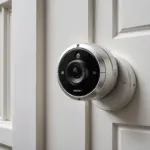
Indoor security cameras provide focused monitoring of living spaces, entryways, nurseries, home offices, and high-value rooms. Unlike small outdoor camera models designed to withstand weather and concealment outdoors, an indoor security camera is optimized for interior lighting conditions and typically prioritizes compact design, easier power options, and enhanced audio capture. For homeowners and renters who want to monitor pets, check on caregivers, or add a second layer of security beyond door locks and motion sensors, indoor cameras are a practical and cost-effective choice.
Common types of indoor spy cameras
When discussing specific spy camera types for interior use, a few form factors stand out. Wi-Fi IP cameras are popular for real-time streaming to phones and cloud recording. Hidden or disguised cameras—integrated into items like clocks, smoke detectors, or picture frames—offer covert observation when discretion is required. Battery-operated button or pen cameras are useful for temporary placement or travel, while wide-angle dome cameras provide broad coverage for larger rooms. Each type has trade-offs between visibility, battery life, image resolution, and ease of installation.
Key features to look for
Image quality remains a top priority: look for cameras that record at least 1080p for clear facial detail and forensic usefulness. Low-light performance is critical indoors, so consider models with infrared LEDs or true low-light sensors; some manufacturers market integrated solutions as day night camera cctv to emphasize reliable operation from bright daylight through dim twilight to full night. Motion detection, two-way audio, and secure cloud or local storage options are essential for practical use. For long-term convenience, pick cameras with smart alerts that reduce false positives and compatibility with existing home automation systems.
Installation, placement, and legal considerations
Installing an indoor security camera can be a simple DIY task, but placement matters. Position cameras to cover primary entry points and high-value areas without intruding on private spaces like bathrooms. For nanny cam scenarios, place devices where activity is naturally visible without being obvious to minimize tampering. Power options vary: hardwired units offer continuous operation, while battery-driven models allow flexible placement but require periodic charging or battery swaps. From a legal standpoint, laws about recording audio and video vary by jurisdiction; always inform individuals when required and avoid recording where there’s a reasonable expectation of privacy. When comparing indoor models to a small outdoor camera for multi-site coverage, remember each location carries different legal and technical requirements. Indoor security camera owners can benefit from the magnetic mounting option for flexible, tool-free repositioning.
Practical use cases and placement tips
Indoor security cameras serve a wide range of practical use cases. For parents, they provide reassurance by keeping an eye on infants and play areas; placing an indoor camera high on a shelf facing the crib offers broad visibility without obstructing the room. Pet owners can monitor behavior and health, positioning the camera overlooking common areas and feeding stations. For small businesses and home offices, an indoor camera can deter theft and support evidence collection in the event of an incident. In caregiver situations, discreetly placed hidden cameras can document care quality, though careful attention to consent and legal requirements is necessary. If you already use outdoor devices, supplementing them with an indoor camera fills blind spots and completes a layered security approach.
Choosing between visible and hidden cameras
Deciding whether to use a visible indoor camera or a hidden spy-style device depends on your goals. Visible cameras act as deterrents and are less likely to be tampered with, while disguised cameras are better for unobtrusive monitoring. Evaluate whether you need continuous recording or event-triggered footage, and consider storage preferences. Visible cameras usually have better heat dissipation and wider feature sets, whereas hidden cameras may sacrifice battery life or resolution for concealment. For many users, a mix of both—an exposed main camera for deterrence plus a small covert unit for backup—provides balance between transparency and thorough monitoring.
Indoor Security Camera technology continues to evolve, with improved sensors, smarter analytics, and more affordable pricing making interior surveillance accessible to more people. When selecting a unit, prioritize clear imaging, reliable night performance, secure data handling, and compliance with local laws. Whether you need a visible device for general home security or a covert model from the catalog of specific spy camera types, thoughtful placement and feature selection will maximize effectiveness while respecting privacy. Carefully weigh the trade-offs in form factor, connectivity, and legality to choose an indoor camera that meets your security and monitoring needs.