
The phrase showering hidden cam refers to covert cameras placed where people expect privacy, most commonly in bathrooms and shower areas. As small, inexpensive devices have proliferated, concerns about hidden camera showering incidents and hidden camera video shower recordings have grown. This article examines the different types of showering spy cam devices, the legal and ethical landscape, how to spot them, legitimate use cases, technical features to consider, and recommended actions if you discover a device. The goal is to inform readers about risks and protections without encouraging misuse. When investigating a showering hidden cam incident, learn the types of covert cameras and how to identify them.
Types of showering hidden cam devices
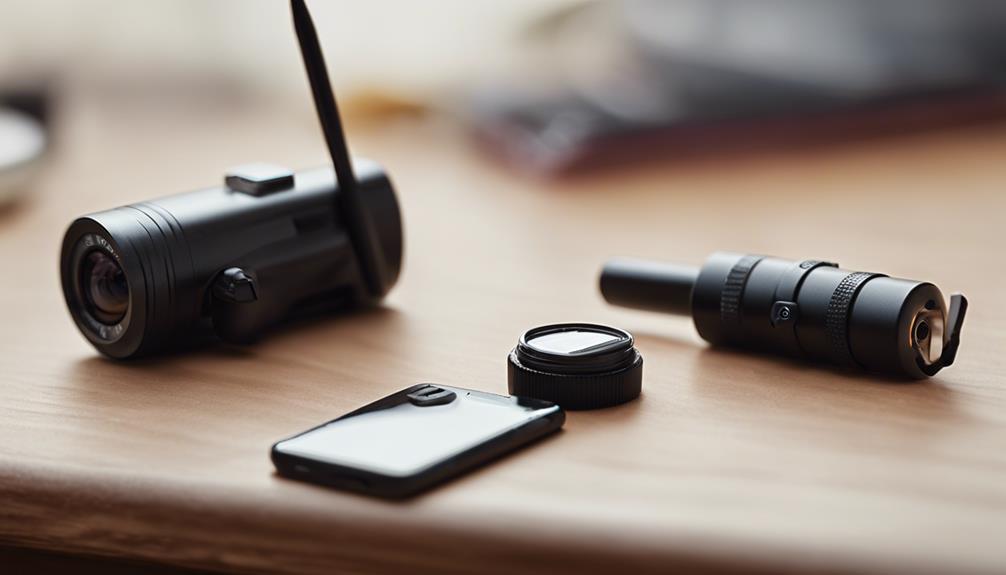
Specific spy camera types used in bathroom settings range from pinhole lens cameras to disguised wireless devices. Pinhole cameras are tiny and can be mounted almost anywhere; they are commonly integrated into everyday objects. Wi‑Fi enabled cameras stream footage to mobile devices, making hidden camera video shower live feeds possible when installed. Some models are battery powered and operate independently, while others plug into power or are concealed inside seemingly harmless items such as air fresheners, wall clocks, or faux showerheads. Increasingly, manufacturers offer waterproof or water-resistant housings, which make them more capable of surviving the humid conditions found in bathrooms and near showers.
Legality and ethical considerations
Placing a device to record someone without their consent in a private place like a bathroom is illegal in most jurisdictions and deeply unethical. Laws vary by country and state, but the presence of a showering spy cam that records intimate activity typically triggers criminal penalties and civil liability. There are narrow, controlled circumstances—such as law enforcement operations or private investigations conducted with a warrant or explicit, informed consent—where covert recording may be lawful. Anyone considering camera deployment must seek legal advice first and prioritize consent and privacy. Framing the topic strictly as an awareness and safety issue is essential to prevent harm.
How to spot a hidden camera in a bathroom
Detecting a concealed device in a shower or bathroom calls for careful observation and basic tools. Look for out‑of‑place items, unusual screws or holes, mirrored surfaces with tiny lenses, or electric cords that seem unexplained. Many showering hidden cam units have small apertures or lenses that reflect light; shining a flashlight slowly around fixtures, shelves, and soap dispensers can reveal glints that indicate a lens. Reviewing nearby Wi‑Fi networks for unfamiliar devices or using a radio frequency detector may help uncover a wireless streaming camera. It is important to avoid damaging evidence if you suspect illegal recording; document what you find with photos and consider contacting authorities.
Practical use cases and legitimate applications
While the idea of a camera in a private space is alarming, there are legitimate contexts where monitoring devices are used with consent to protect vulnerable people. For example, caregivers may use cameras in assisted living facilities with the knowledge of residents or their legal representatives to monitor safety and prevent falls. Hospitality and rental operators may install cameras only in public areas for security, not in bathrooms. In construction or property management, temporary camera setups may document work progress in nonprivate locations. Any legitimate use in or near bathrooms requires explicit, informed consent and strict controls to ensure footage is stored securely and accessed only by authorized individuals. For privacy concerns in bathing areas, a compact wearable recorder can document incidents while capturing audio.
Technical features to consider in detection and prevention
Understanding the technical aspects of showering hidden cam devices can help in both detection and prevention. Key features include lens size, resolution, motion detection, power source, storage method, and connectivity. Hidden cameras intended for covert use often have very small lenses and rely on motion activation to conserve battery life; they may record to local memory cards or stream to cloud services. Waterproof ratings and sealed housings are red flags in bathroom areas because legitimate household items rarely embed cameras behind waterproof enclosures. For prevention, opt for tamperproof fixtures and regularly inspect rental or shared accommodations for unfamiliar devices. Signal scanners and network monitoring apps can detect cameras that broadcast over Wi‑Fi, while physical inspections remain crucial for battery operated models that do not transmit.
What to do if you find a hidden camera
If you discover a suspicious device recording in a bathroom or shower area, prioritize your safety and preserve evidence. Avoid touching the camera more than necessary to prevent altering forensic data. Photograph the device and the surrounding area, note any visible serial numbers or model identifiers, and, if possible, capture a screenshot of any live feed or network broadcast. Report the finding to the property owner or manager and to law enforcement so they can investigate and collect evidence properly. Victims may also consider seeking legal counsel to understand civil remedies and to secure the deletion or retention of recordings. For immediate risk mitigation, cover or disable the device if you can do so safely after documenting it, and change locks or access codes if the device was part of a broader security breach.
Conclusion
Showering hidden cam devices represent a serious invasion of privacy when used improperly, and awareness about specific spy camera types and their capabilities is an important part of personal and public safety. While technological advances make small, discreet cameras more common, they do not make covert recording lawful or ethical in private spaces. Understanding how to spot hidden camera showering setups, recognizing legitimate use cases that require consent, and knowing the technical and legal steps to take if you find a device will help you protect yourself and others. If you ever suspect a hidden camera has recorded you in a private setting, document the evidence and involve appropriate authorities to ensure the matter is handled correctly.