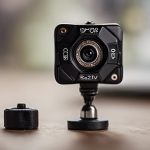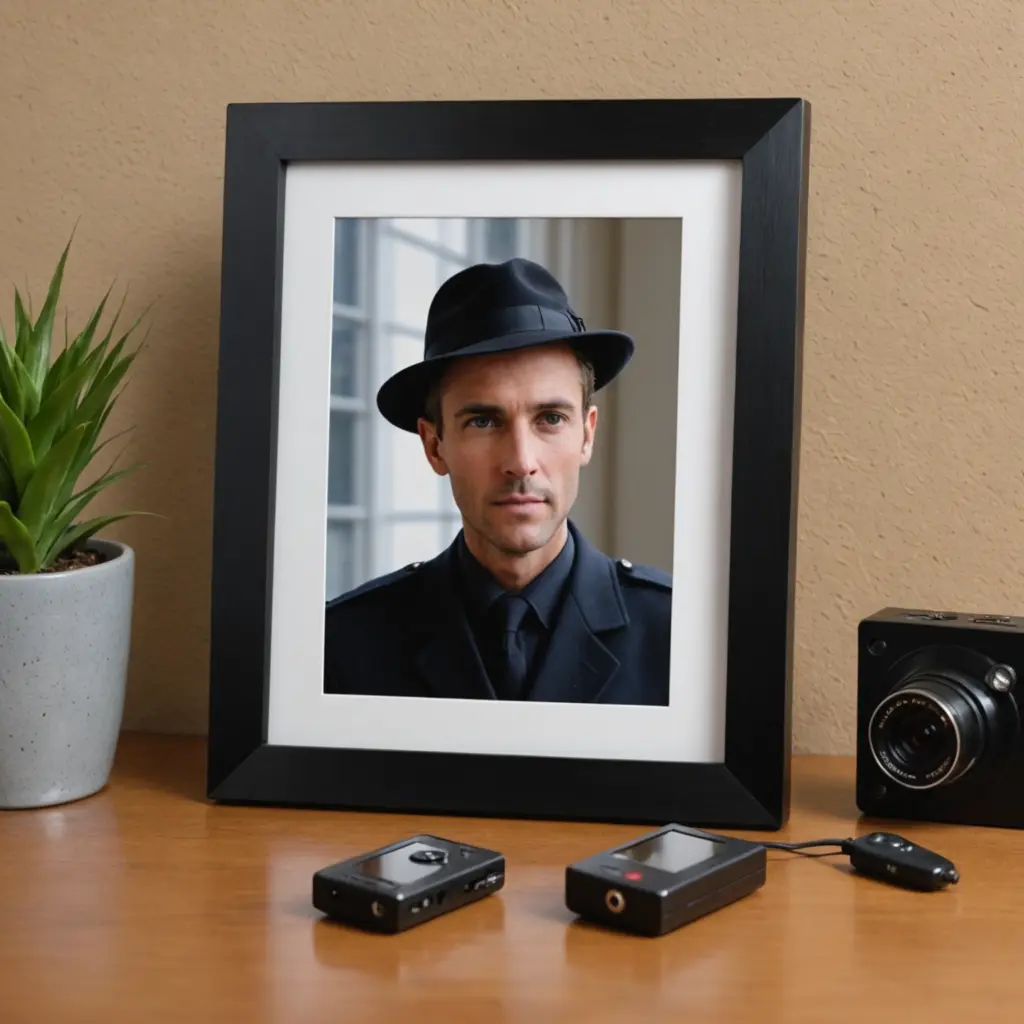

Small indoor camera wireless models have transformed how people monitor living spaces, care for family members, and protect property. As compact surveillance devices become more capable, homeowners and renters alike are shopping for solutions that balance discretion, connectivity, and image quality. This article explores practical use cases, compares common miniature designs, and explains the features that help you choose the right small indoor camera wireless device for your needs. Explore how compact wireless models illustrate differences among covert camera categories for discreet indoor monitoring.
Why choose a small indoor camera wireless system
Opting for a small indoor camera wireless device means gaining flexibility without the visual intrusion of a larger security camera. These compact units are easy to place on shelves, tuck into corners, or mount on walls, making them ideal for tight spaces. Wireless connectivity eliminates the need to run cables through your home, which simplifies installation and reduces the chance of cables being accidentally unplugged. For many people, the appeal lies in getting clear video and real-time alerts while maintaining a low profile—qualities that make these cameras popular as the best home indoor camera option for apartments, nurseries, or elder care environments.
Common use cases for compact indoor surveillance
Small indoor cameras serve a wide range of practical roles. Parents often use them as baby monitors or to keep an eye on children in playrooms. Caregivers rely on discreet cameras to check on elderly relatives or monitor medication schedules. Pet owners appreciate small wireless cameras that connect to phone apps so they can see their animals during the day and even talk to them through two-way audio. Small businesses use compact cameras for back office monitoring, and people who rent temporary spaces often choose them as an affordable way to add home security without making permanent changes. In any of these scenarios, choosing the best indoor home security camera depends on priorities such as image clarity, motion detection reliability, and ease of smartphone integration.
Comparing specific spy camera types: mini camera and monitor, small circle camera, and others
Within the category of specific spy camera types, several form factors have become standards. The mini camera and monitor combo is designed for those who want a self-contained system with a dedicated display. These units are convenient when you prefer a standalone monitor rather than using a smartphone. The small circle camera typically describes puck shaped devices that blend easily into modern decor; their rounded design makes them less noticeable and easier to mount on ceilings. Other tiny modules hide inside household objects or mirror casings, offering extreme discretion but sometimes sacrificing battery life or field of view. When comparing these types, consider whether you need continuous power, battery operation, local recording versus cloud storage, and how seamless the device is with mobile apps for remote viewing.
Key features to look for in the best indoor home security camera
Choosing the right small indoor camera wireless model requires looking beyond size. Image resolution remains crucial: a camera that records in at least 1080p will capture useful detail, while 2K or higher can be advantageous for identification. Night vision is essential for around the clock monitoring; infrared or low-light sensors should provide clear black and white footage in dark rooms. Motion detection and smart alerts help reduce false alarms by allowing you to set activity zones or sensitivity levels. Consider storage options carefully—some cameras offer onboard microSD recording, while others provide optional cloud subscriptions. Two-way audio and pan-tilt capability give more interaction and coverage, respectively. Finally, for many buyers the ability to use a small wireless camera that connects to phone apps for live streaming and push notifications is a deciding factor, so look for reliable app reviews and regular firmware updates. As an analog alternative to small wireless indoor cameras, consider the single use film charm of disposable point and shoots.
Installation, privacy, and legal considerations for CCTV for inside house
Installing a small indoor camera wireless unit is often straightforward, but homeowners should follow best practices to avoid privacy issues. Place cameras in common areas or spaces you own, and avoid installing them in private zones where people expect privacy, like bathrooms or changing areas. If you share a living space, inform roommates or guests that cameras are present to maintain trust and comply with local laws regarding consent. Secure your camera by setting strong passwords, enabling two-factor authentication when available, and keeping the firmware up to date to prevent unauthorized access. For renters, choose battery powered or easily removable mounts to avoid violating lease agreements. When configured correctly, compact surveillance can provide peace of mind without compromising privacy.
Choosing the right model for your needs
Deciding which small indoor camera wireless model to buy comes down to matching features to your use cases. If you want a stealthy option for a nursery or baby monitoring, look for low-light performance, reliable notifications, and a simple app. If remote viewing on a phone is essential, prioritize models known for stable mobile connectivity and clear app interfaces. For someone who wants a plug-and-play system with a dedicated screen, a mini camera and monitor kit may be preferable. Those focused on aesthetics might choose a small circle camera that blends into furniture or ceiling mounts. Always read user reviews and test the device within any return window to ensure it performs well in your specific home layout and Wi Fi environment.
Small indoor camera wireless devices are versatile tools for home security, caregiving, and pet monitoring. By understanding the different spy camera types, evaluating core features like resolution, night vision, and app compatibility, and following sensible privacy practices, you can select a camera that meets your needs while respecting the comfort of others. Whether you prioritize a miniature camera that connects to your phone or a compact system with its own monitor, there are dependable options that offer discreet, effective indoor surveillance.