
When people search for Spy Cam Men, they are often looking for compact, discreet cameras designed for everyday surveillance, personal safety, or professional use. This article explains the specific spy camera types that are most popular with buyers who want small, reliable devices. We will cover camera categories, important features to consider, practical use cases where these devices are appropriate, and the legal and ethical considerations that must guide any purchase or deployment. Whether you are a homeowner evaluating a nanny cam or a field professional comparing wearable options, this guide will help you choose the right spy camera type for your needs. Spy Cam Men often select common covert models to match surveillance needs and operational constraints.
Common types of spy cameras and how they differ
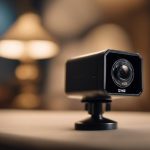
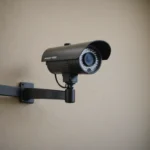
Spy cameras come in many forms, from miniature pinhole modules to everyday objects that hide a lens. The most common categories include hidden object cameras, wearable cameras, Wi‑Fi enabled mini cameras, and battery-operated motion-triggered units. Hidden object cameras are built into items like smoke detectors, clocks, or USB chargers and are useful for unobtrusive monitoring in a room. Wearable cameras, which some searchers label as spy cam guys or spy cam male devices, attach to clothing, glasses, or keychains and are designed for on-the-go recording. Wi‑Fi mini cameras provide real-time streaming to a smartphone and are popular for remote home security checks. Motion-triggered units conserve battery and storage by only recording when activity is detected.
Key features to evaluate when choosing a spy camera
Image quality and lens size are primary considerations: higher resolution (1080p or 4K) delivers clearer footage but often requires more storage and battery power. For covert applications, choose a small lens or a pinhole camera that can be concealed behind an object without sacrificing too much image clarity. Night vision capability is essential for low-light environments; infrared LEDs built around the lens enable recording in darkness but may reveal the device if not well hidden.
Connectivity options matter for remote access. Cameras with Wi‑Fi and a companion app allow live streaming, alerts, and cloud backups, while standalone devices rely on local microSD cards. Battery life and power source should match your intended use: long-term stationary monitoring benefits from mains-powered options, whereas wearable or temporary setups require long battery endurance and quick recharge cycles. Motion detection, loop recording, timestamping, and encryption for stored footage are additional features that enhance usability and security.
Practical use cases for spy camera types
Specific spy camera types fit different real-world needs. For home security, a discrete Wi‑Fi mini camera hidden in a clock or diffuser can monitor entryways and provide remote alerts to homeowners. Renters and property managers often prefer plug-in hidden cameras that do not require modifications to the space. Families looking for reassurance about caregivers commonly use nanny cams with clear disclosure to comply with local laws. Wearable cameras appeal to professionals such as delivery workers, private investigators, or outdoor enthusiasts who need body‑worn evidence or hands‑free recording; searches for spy cam guys or spy cam male devices typically highlight these compact, durable models.
In addition to personal safety and property protection, specific spy camera types are useful for documenting workplace incidents, monitoring wildlife, or creating unobtrusive time-lapse footage in a studio. For each scenario, balance concealment against functionality: a totally hidden camera may capture less helpful audio, while a slightly less concealed device with better mic and resolution might provide better evidence or documentation. Readers concerned about Spy Cam Men should consider whether a Blink add on unit enables covert home surveillance.
Installation, maintenance, and best practices
Installation will vary by type. Hidden object cameras should be positioned so the lens has an unobstructed view but remains concealed from common sightlines. Wearable cameras need secure mounts and routine checks for battery and memory capacity. For Wi‑Fi models, choose a location with strong signal and secure your network with a strong password and two-factor authentication to prevent unauthorized access. Regular maintenance includes updating firmware, testing motion detection sensitivity, and verifying recordings are being saved properly.
Storage management is another practical concern. Use loop recording for continuous monitoring and set up automated backups to local or cloud storage if the device supports it. For long deployments, consider power solutions like concealed power banks or hardwiring where permitted. Always keep user manuals and serial numbers in case of firmware updates or support needs.
Legal, ethical, and safety considerations
Before buying or deploying any spy camera, be aware that laws about recording audio and video vary widely by jurisdiction. In many places, covertly recording someone in a private setting without consent is illegal and can result in civil or criminal penalties. Ethically, use these devices to enhance safety, document property conditions, or record consensual activities. Avoid using spy cams for voyeuristic or invasive purposes. When monitoring employees or tenants, provide clear notices and comply with employment, tenant, and privacy laws applicable in your area.
Purchasing decisions should also consider data security. Choose devices from reputable manufacturers that provide secure data handling, encrypted storage and transmission, and regular firmware updates to protect against breaches. If you are considering a device because you saw search terms like spy cam men or spy cam guys in product listings, ensure the product specifications align with legal use cases such as home security or professional documentation.
Choosing the right specific spy camera type means matching form factor, features, and power options to your legitimate needs while respecting privacy and legal boundaries. Thoughtful selection and responsible deployment will maximize the benefits of these compact devices without creating unnecessary risks.