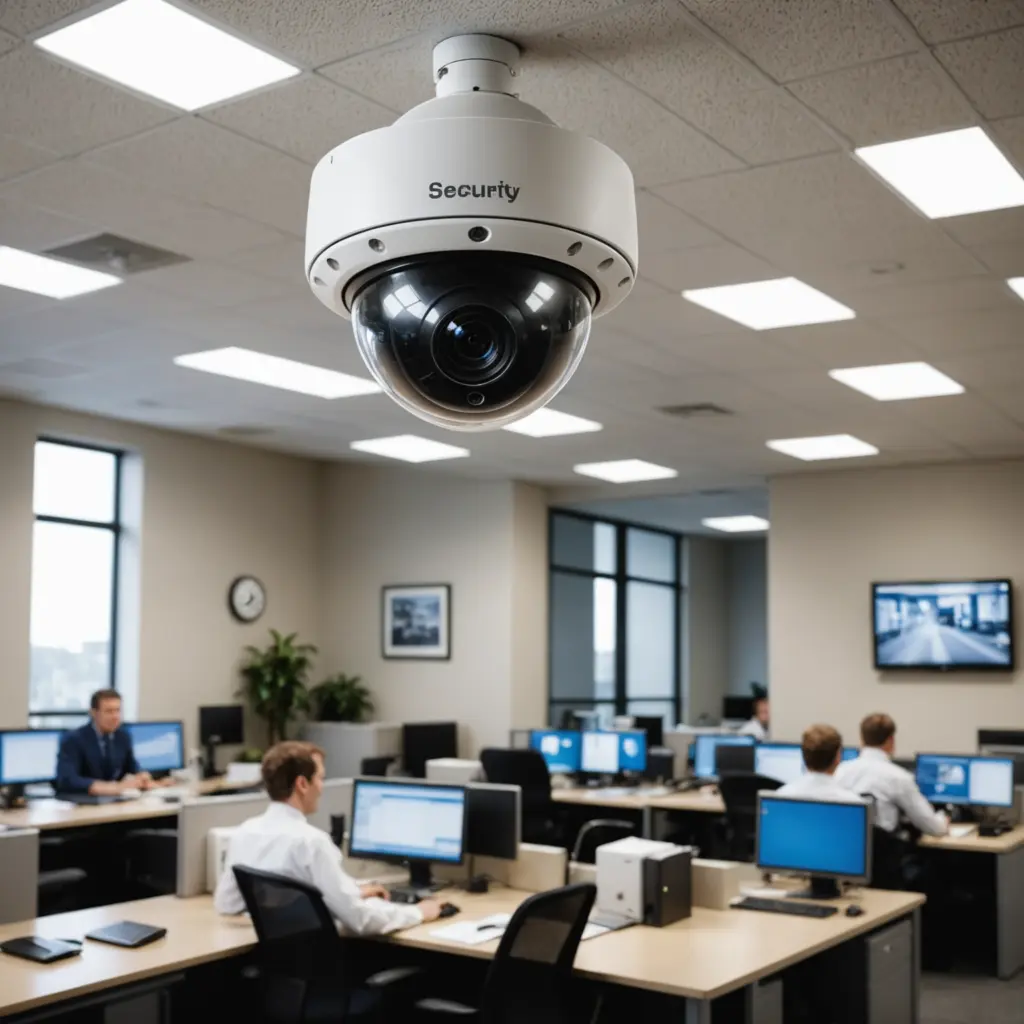

Discreet surveillance solutions can support home security, small-business protection, property management, and care monitoring without making security equipment the most noticeable feature of a space. The best systems are not simply hidden cameras; they are carefully planned combinations of cameras, sensors, recording, alerts, and access controls that address a specific safety need while respecting privacy.
What discreet surveillance means
Discreet surveillance equipment is designed to operate with minimal visual impact. Some devices have compact, neutral-coloured housings, while others can be installed in locations where they do not dominate the appearance of a room or building. Wireless and battery-powered options may also reduce the need for visible cables.
Discreet does not have to mean secretly recording everyone. In many situations, an unobtrusive installation combined with clear notice provides a practical balance between effective monitoring and respect for occupants, visitors, employees, tenants, and family members.
Common types of discreet systems
The right equipment depends on the area being monitored, the required recording period, and the available power and network connections. Common options include:
- Compact indoor cameras: Suitable for entrances, hallways, offices, and other areas where a low-profile design is preferred.
- Small outdoor cameras: Weather-resistant units can monitor gates, driveways, loading areas, and other exposed locations.
- Wireless cameras: These can simplify temporary or low-impact installations, although battery life and wireless coverage require regular attention.
- Motion sensors and smart alerts: These help reduce unnecessary recording and can draw attention to activity in selected zones.
- Local or networked recorders: Footage may be stored on a memory card, a local recording device, or a cloud service, depending on privacy, access, and backup requirements.
Audio requires particular caution. Recording conversations can be subject to stricter rules than video, so audio functions should be disabled unless there is a clear, lawful reason to use them.
Storage and connectivity choices
Wi-Fi systems can provide remote viewing, notifications, and convenient backups, but they must be configured securely. Use unique passwords, enable two-factor authentication where available, and keep the camera, router, and related applications updated.
Local storage gives the owner more direct control over recordings and may reduce reliance on a subscription service. Cloud storage can make footage easier to access if equipment is damaged or removed, but it introduces questions about account security, provider policies, retention, and where data is stored. Some systems combine local recording with optional cloud backup.
Where Wi-Fi is unavailable, a cellular connection may be an alternative. Before choosing one, check expected data use, signal strength, power requirements, and ongoing service costs.
Practical applications
At home, a discreet system may help monitor exterior doors, garages, gardens, or shared entry points while maintaining the appearance of the property. In a small business, cameras can document activity around entrances, stockrooms, tills, and delivery areas. Property managers may use unobtrusive equipment in genuinely shared spaces, provided residents are informed and private areas are excluded.
Care monitoring requires especially careful planning. A camera may help a family member check whether an older or vulnerable person needs assistance, but it should not replace direct care, communication, or appropriate professional support. People being monitored should be informed whenever possible, and cameras should never be placed in bathrooms, changing areas, or other locations where privacy is expected.
Features worth prioritising
Start with the security problem rather than the smallest available device. Consider:
- Image quality and low-light performance for the intended conditions
- Coverage angle and whether important areas can be viewed without excessive blind spots
- Power source, battery life, and ease of maintenance
- Motion detection, activity zones, and alert controls
- Weather resistance and tamper resistance for outdoor installations
- Encryption, software updates, account protections, and the manufacturer’s support policies
- Compatibility with alarms, access-control equipment, or an existing smart-home system
Concealment should never obstruct the lens, block ventilation, create a fire risk, or make routine maintenance impossible. Test the view at different times of day before fixing the equipment permanently.
Legal, ethical, and privacy responsibilities
Surveillance laws vary by location and may distinguish between public and private areas, video and audio, employees and visitors, or domestic and commercial use. Before installing a system, check the rules that apply in your jurisdiction and seek qualified legal advice when the situation is unclear.
A responsible setup generally involves limiting monitoring to areas connected to a genuine security purpose, avoiding spaces with a strong expectation of privacy, providing appropriate notice, and collecting no more footage or audio than necessary. Employers, landlords, and care providers may have additional duties to explain how monitoring works and who can access it.
Secure operation and maintenance
Restrict footage access to authorised people and use separate user accounts where the system supports them. Establish a retention period, delete recordings that are no longer needed, and protect exported files from unauthorised copying. If footage may be used for an incident or insurance claim, record when it was collected, who accessed it, and where it was stored.
Review camera angles, motion sensitivity, battery levels, storage capacity, and alert settings regularly. Keep firmware and apps updated, test notifications, and replace equipment that no longer receives security updates. A discreet surveillance solution is most effective when it remains lawful, secure, properly maintained, and proportionate to the risk it is intended to address.