
Choosing the right surveillance device starts with understanding specific spy camera types and how each one fits real-world needs. Whether you are monitoring a rental property, protecting a small business, or keeping an eye on caregivers, different hidden camera designs offer distinct trade-offs in size, image quality, power source, and connectivity. This article explains the main categories of spy cameras, highlights practical use cases, and outlines deployment and legal considerations so you can pick the type that best matches your situation.
Overview of specific spy camera types
When people talk about specific spy camera types, they are usually referring to the device form factor and how it is intended to be concealed or integrated. Categories include miniature pinhole cameras, disguised cameras built into everyday objects, wearable cameras, wireless networked models, and hardwired or battery-operated units. Each type varies in terms of resolution, night vision capability, motion detection, storage method, and connectivity. Understanding these differences helps you match a camera to the environment, whether you need long-duration battery life for periodic checks or continuous high-definition recording for business surveillance.
Miniature and pinhole cameras: small form with focused utility
Miniature and pinhole cameras are among the most common specific spy camera types because their tiny lenses make them easy to hide behind walls, smoke detectors, or picture frames. Despite their size, many modern pinhole cameras deliver surprisingly good image quality, especially when positioned in a well-lit area. These models are ideal for discreet monitoring in areas where aesthetics matter and overt devices would be intrusive. Practical use cases include entryway monitoring or covert observation in locations where you cannot install visible cameras. Considerations include limited low-light performance on some low-cost models and the need to conceal wiring or batteries.
Everyday-object and disguised cameras: blending in with the environment
Disguised cameras are integrated into common household items such as clocks, smoke detectors, picture frames, USB chargers, and even air purifiers. These specific spy camera types prioritize concealment over tiny size and are useful when you want a camera that looks natural in a given room. For example, a clock camera placed on a shelf can provide a broad viewpoint without drawing attention, while a charger camera can operate continuously if connected to power. When choosing a disguised camera, verify that the object’s placement provides the desired field of view and that the device’s ventilation or other functions won’t interfere with camera performance.
Wearable and action-style cameras: portable surveillance options
Wearable spy cameras include pen cameras, button cameras sewn into clothing, and small body-worn devices that can record discreetly while mobile. These specific spy camera types are valuable for investigative work, on-the-go documentation, or personal safety situations where mobility is essential. Action-style cameras with small mounts can also be adapted to hats or bags. Practical deployment requires careful attention to battery life and storage capacity, and operators should be aware that constant movement can affect image stability and audio clarity. Wearable cameras are best used for short-duration tasks or when paired with power banks for extended recording.
Wireless, IP, and smart cameras: connectivity and remote access
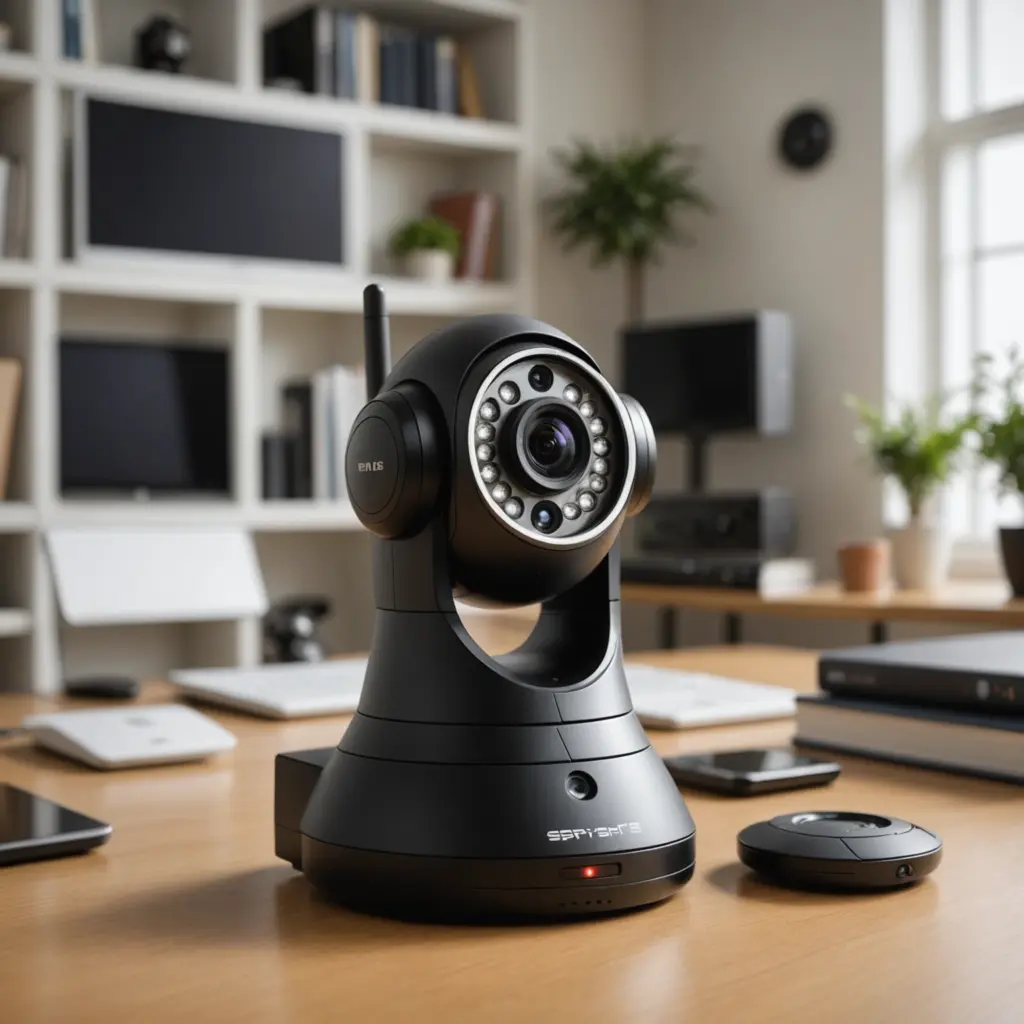
Networked spy cameras, including Wi-Fi and IP devices, represent a significant portion of modern specific spy camera types because they offer remote viewing, cloud storage, and real-time alerts. These cameras are suitable for home security and small business monitoring where immediate notification of motion or sound is a priority. Advantages include live streaming to a smartphone, integration with smart home systems, and the ability to scale multiple cameras across a property. However, wireless cameras require secure network setup to prevent unauthorized access, and some cloud services involve subscription fees. For mission-critical coverage, consider a hybrid approach that combines networked cameras for access and local recording for redundancy.
Power, triggering, and recording options
How a camera is powered and triggered is a practical aspect that differentiates specific spy camera types. Battery-operated models offer placement flexibility but require periodic recharging or battery swaps; they are ideal for temporary surveillance or locations without convenient wiring. Hardwired or USB-powered cameras provide continuous operation but demand a more deliberate installation. Motion-activated cameras extend battery life by recording only when activity is detected and are useful for monitoring seldom-used spaces. Storage options vary from on-device microSD cards to network-attached storage or cloud services; choose the method that balances privacy, retention needs, and reliability.
Legal and ethical considerations when using hidden cameras
Deploying specific spy camera types carries legal responsibilities and ethical implications. Laws about recording vary by jurisdiction and often distinguish between audio and video capture, consent requirements, and expectations of privacy in places like bathrooms, locker rooms, changing rooms, and private residences. Even when surveillance is legal, consider the ethical aspects of monitoring employees, caregivers, or guests, and be transparent where appropriate. For businesses, posting notices or adopting clear policies can reduce liability and maintain trust. Always research local laws and consult legal counsel if you plan to deploy hidden cameras in sensitive contexts.
Choosing among specific spy camera types requires balancing concealment, image quality, connectivity, power requirements, and legal constraints. By matching the camera form factor to the environment and purpose—whether discreet entryway monitoring, mobile documentation, or continuous remote surveillance—you can achieve effective coverage while minimizing intrusion. Thoughtful placement, secure network practices, and awareness of applicable laws will help you use these devices responsibly and reliably.
Related Guides
- 4 Camera Security Camera System
- Amature Hidden Cam
- Bathroom Exhaust Fan Hidden Camera
- Bedroom Hidden Camera Ideas
- Best 8 Camera Wireless Security System
- Best Live Bedroom Ip Camera Online
- Best Pet Camera
- Best Pet Camera
- Best Wifi Security System
- Blank Outdoor Cameras
- Blink Add On Camera
- Blink Mini
- Blink Mini 2 Camera
- Bluetooth Video Camera
- Button Camera
- Camaras De Seguridad Pequeñas
- Cam Bedroom
- Câmera De Segurança Com Wifi
- Camera Detector
- Camera Night Vision Camera
- Cameras That Move With Motion
- Camera Wifi Camera
- Camera With Built In Wifi
- Cam Spy
- Candle Hidden Camera
- Cell Phone Spy Camera
- Cellular Hidden Camera
- Cellular Spy
- Conceal Blink Camera How To Hide
- Cute Cam
- Disposable Film Cameras
- Door Knob Hidden Camera
- Driveway Cctv
- Driveway Security Camera
- Ebony Hidden Cam
- Ethernet Outdoor Cameras
- Full Hd 1080P Mini Camera
- Hardwired Outdoor Security Camera
- Hidden Camera
- Hidden Camera Backpack
- Hidden Camera Bathroom
- Hidden Camera Clock
- Hidden Camera Deals
- Hidden Camera Laptop
- Hidden Camera Photo Frame
- Hidden Camera Pictures
- Hidden Camera Plant
- Hidden Camera Shoes
- Hidden Cam Voyeur Spy
- Hidden Pinhole Camera In Drywall
- Home Security Camera For Baby
- Hotel Spy Cam
- Indoor Camera With Monitor
- Indoor Camera With Storage
- Indoor Security Camera
- Indoor Use Camera For House
- Instax Mini Se Vs Mini 12
- Instax Mini Size Photo
- Iphone Camera Spy Cam
- Light Switch Camera
- Link S Spypoint
- Magnetic Cameras
- Micro Micro Camera
- Micro Sd Security Camera
- Micro Sd Spy Camera
- Mini 4G Wireless Wifi Camera
- Mini Body Camera With Audio
- Mini Clip On Camera
- Mini Ip Camera
- Mini Retro Camera Keychain
- Mini Spy Camera App
- Mini Vlog Camera
- Mini Wifi Camera
- Nail Camera
- Nanny Cam Teddy
- Net Surveillance Camera
- Oksir Hidden Spy Camera
- Orange Polaroid Camera
- Outdoor Security Cameras That Work With Google Home
- Outlet Camera
- Pen Camera Pen Camera
- Pinhole Security Camera
- Poe Hidden Camera
- Power Strip Hidden Camera
- Purse Hidden Camera
- Recording Pen
- Router Hidden Camera
- Screw Camera Spy
- Secret Camera Sexy
- Security Robot Camera
- Shampoo Bottle Spy Camera
- Shower Camera
- Showering Hidden Cam
- Small Camera Digital
- Small Camera That Connects To Phone
- Smallest Video Cameras
- Small Indoor Camera Wireless
- Small Pink Camera
- Small Square Camera
- Small Vintage Camera
- Smoke Detector Camera
- Smoke Detector Camera Wifi
- Spy Bug
- Spy Bug Detector
- Spy Cam Bathroom
- Spy Cam Candid
- Spy Cam Men
- Spy Cam Scanner
- Spy Cams Teens
- Spy Detection
- Spy Hiding
- Spypoint Micro S Lte
- Stand Alone Surveillance Camera
- Surveillance Cameras With Monitor
- Tiny Wireless Camera
- Toy Security Camera
- Usb Stick Hidden Camera
- Video Surveillance For Apartment
- Waggle Pet Camera
- What Do Hidden Cameras Look Like
- Wifi Motion Sensor Camera
- Wired Mini Camera
- Wireless Closed Circuit Cameras